




Dogtra | April 13, 2026
How to Choose the Right Dogtra E-Collar for Your Small Dog
Compact vs. robust e-collars for large dogs—chosen by our Product Experts.
Choosing an e-collar for a small dog is less about power and more about precision. Dogs in the 10–34 lb range have very different physical needs than larger breeds, and using the wrong system can make training harder—not easier. This guide walks through what actually matters, from fit and stimulation to the best models available.


- Why Fit is Everything for Small Dogs
- How Stimulation Actually Works
- The Best E-Collars for Small to Medium Dogs
- Built-In Safety You Should Know About
- Battery Life & Reliability
- Ease of Use for You
Table of Contents
Why Fit Is Everything for Small Dogs
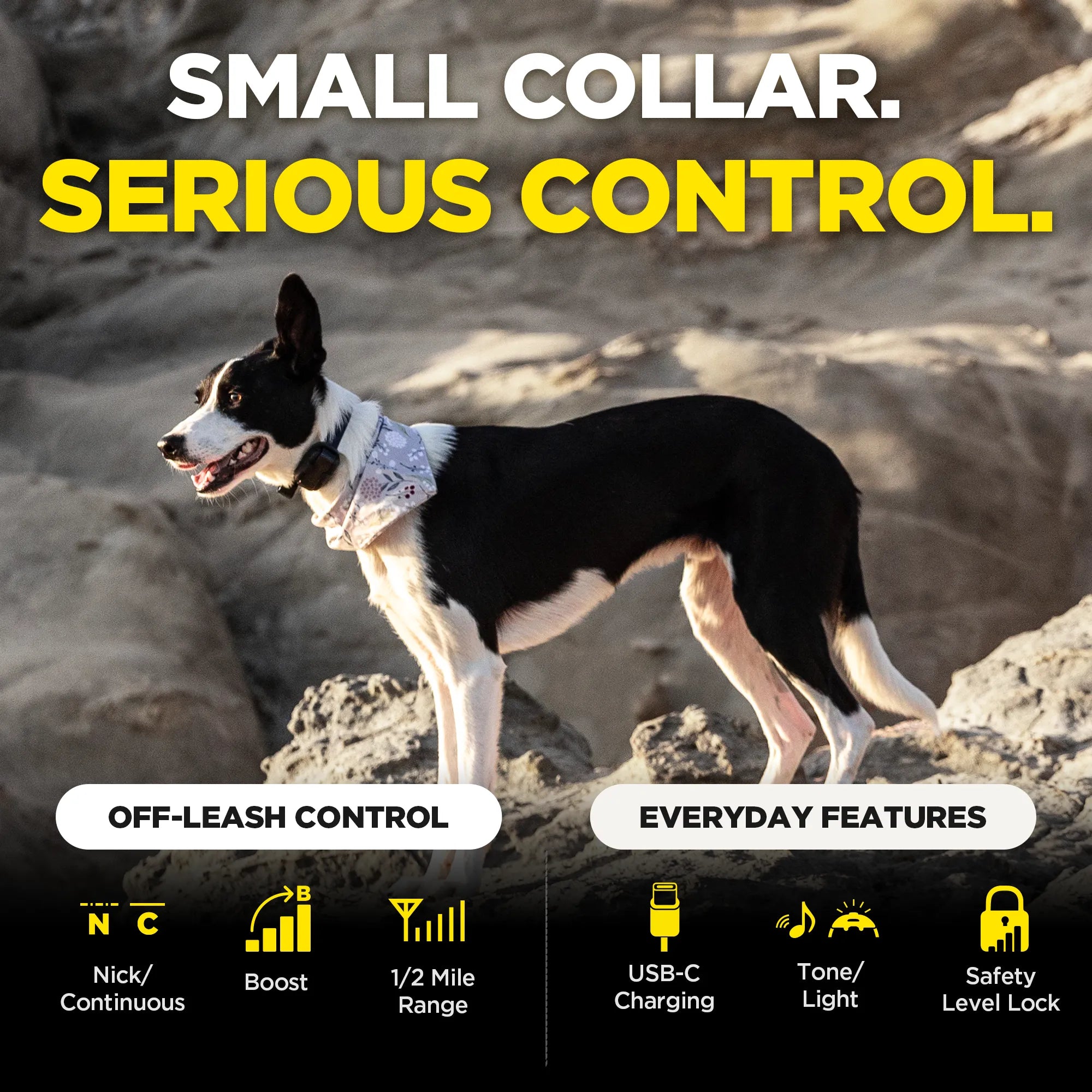
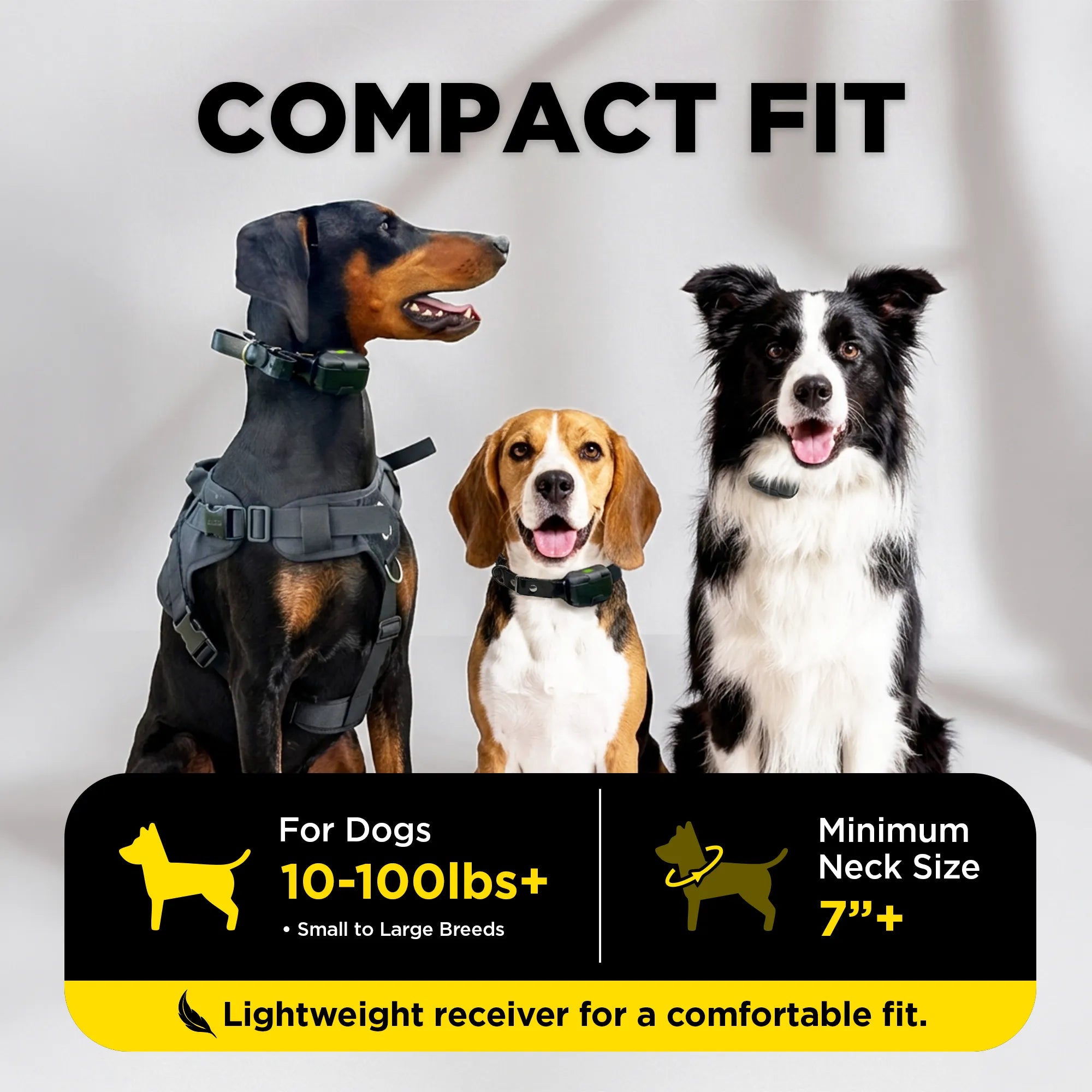
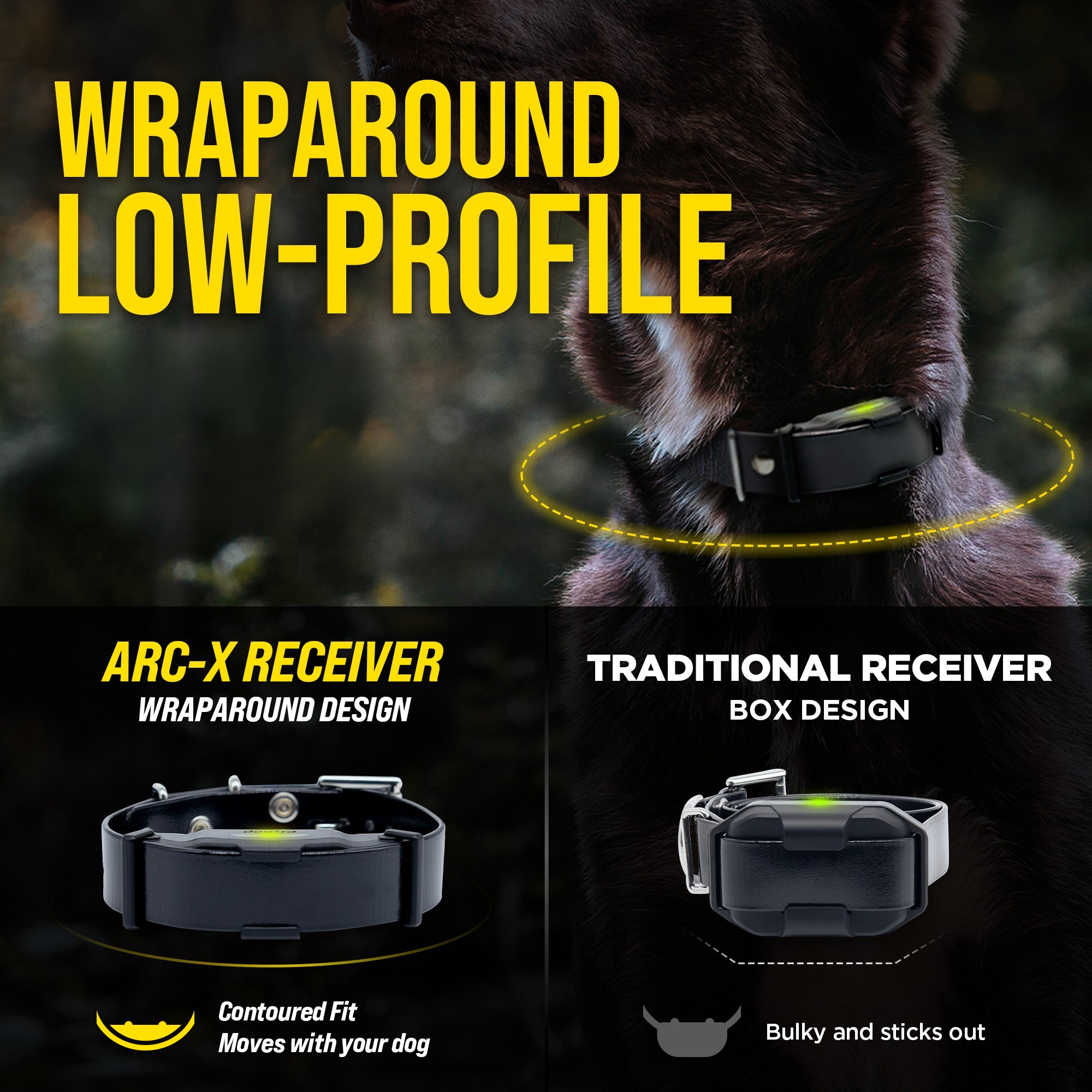
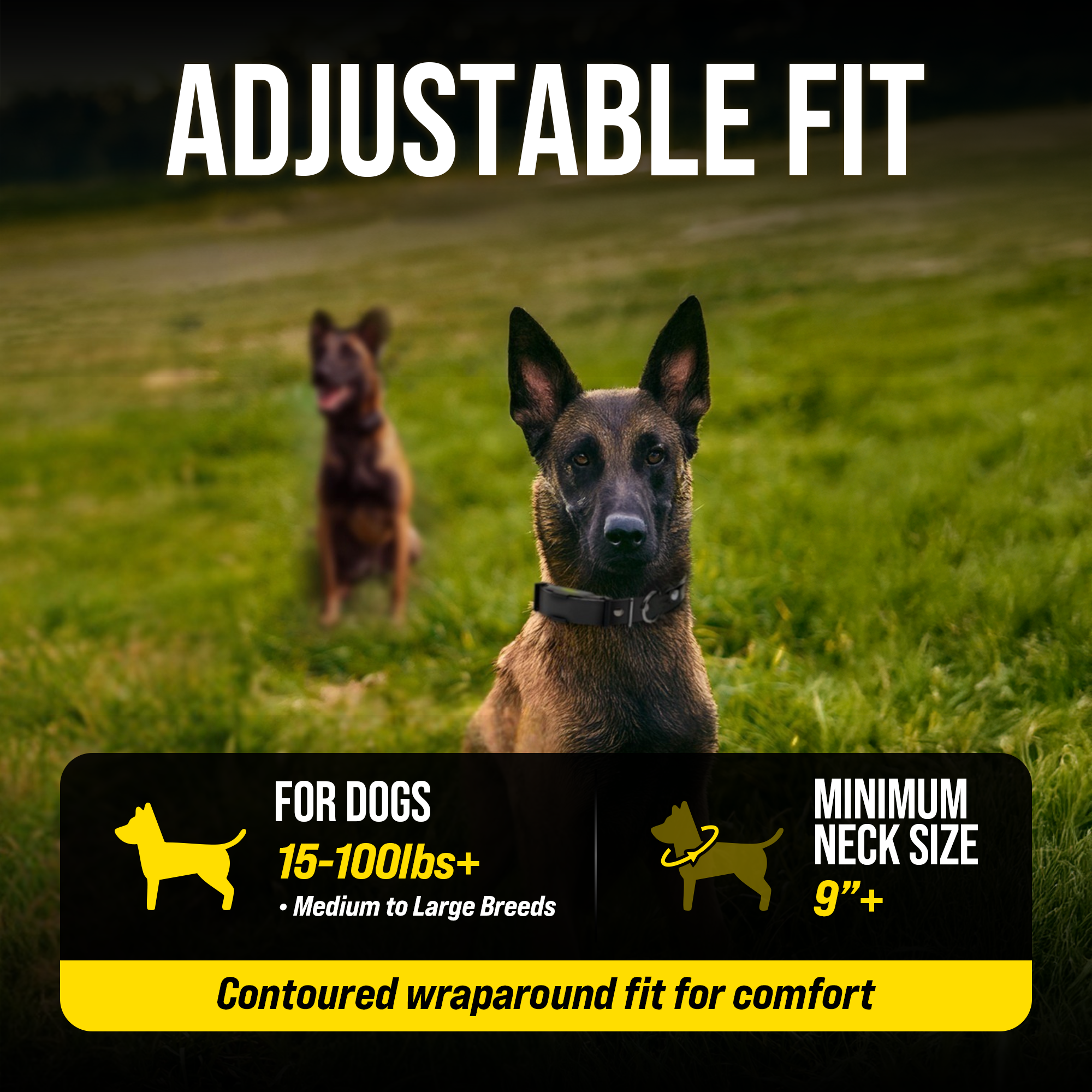
The biggest mistake people make is assuming any e-collar will work as long as the dog is within the weight range. In reality, small dogs require compact receivers that match the shape and size of their neck. A full-sized unit can feel bulky and awkward, often shifting around or weighing the dog down to the point where it interferes with natural movement.
Just as important is how the contact points sit against the skin. If the collar doesn’t maintain consistent contact, the stimulation becomes unreliable. Compact receivers are specifically designed to follow the curvature of a smaller neck, which makes communication clearer and more consistent.
How Stimulation Actually Works
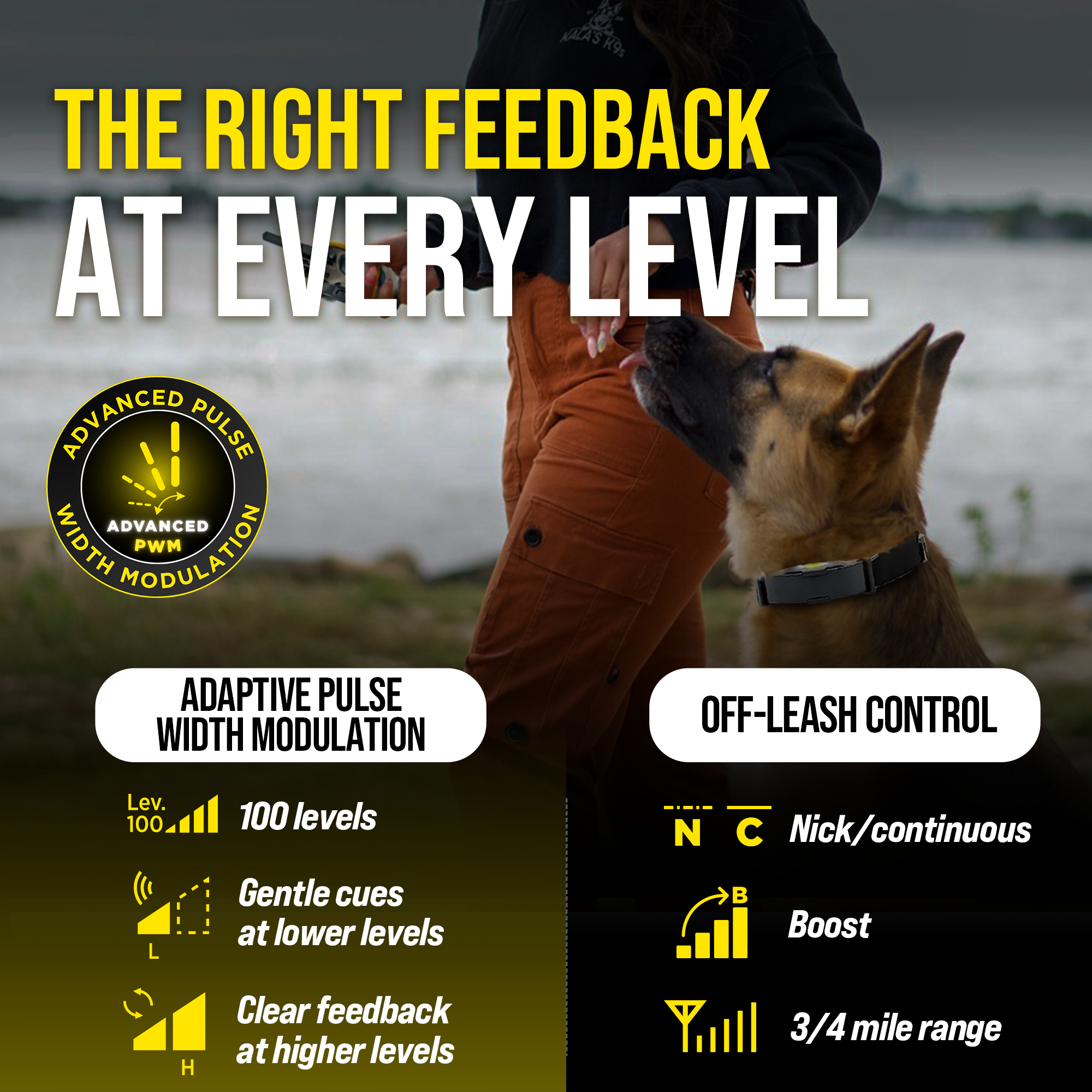
A lot of confusion around e-collars comes from misunderstanding how stimulation is delivered. There are two primary types: Nick and Constant.
Nick is a very quick pulse—almost instant—while Constant lasts as long as the button is held, with a built-in safety cutoff at 12 seconds. For many small dogs, especially those with a higher tolerance or strong drive, Nick can be too brief to register clearly.
That’s where Constant becomes useful. It isn’t stronger in intensity, but the longer duration makes it easier for the dog to perceive. In practice, this often leads to clearer communication because the dog has enough time to recognize and respond to the sensation.
The Best E-Collars for Small to Medium Dogs
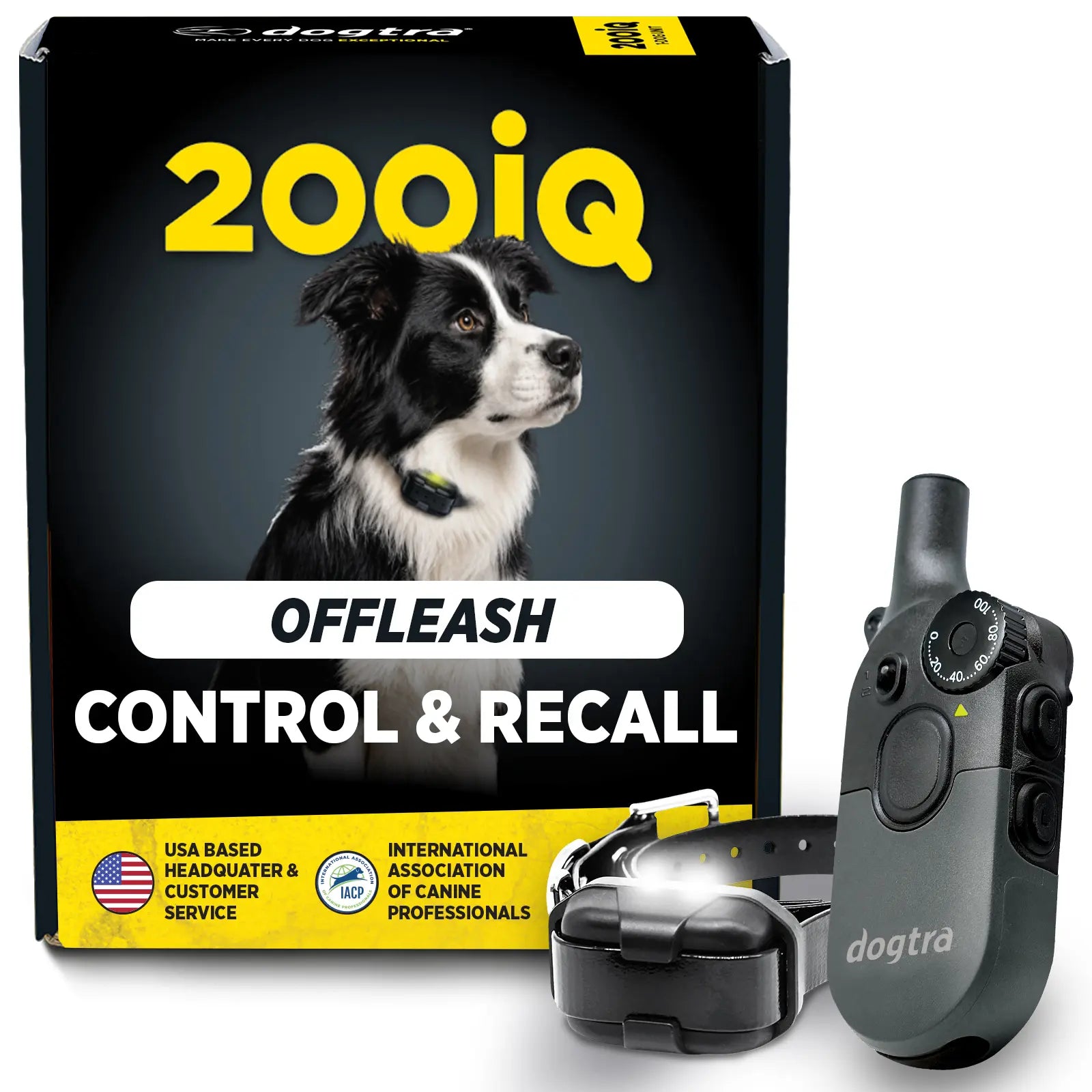
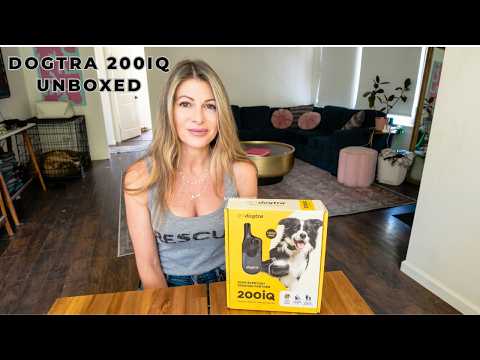
200iQ: Simple, Clear, and Beginner-Friendly
The 200iQ is designed for simplicity. Everything about it, from the large center button to the clean layout, is built to reduce hesitation and confusion. Instead of forcing the user to think through multiple settings, it allows for quick, intuitive adjustments with a thumb dial.
This makes it especially appealing for first-time users who want to focus on timing and consistency rather than navigating features. It also offers the flexibility to expand to two dogs, which is helpful for growing households without adding complexity upfront.


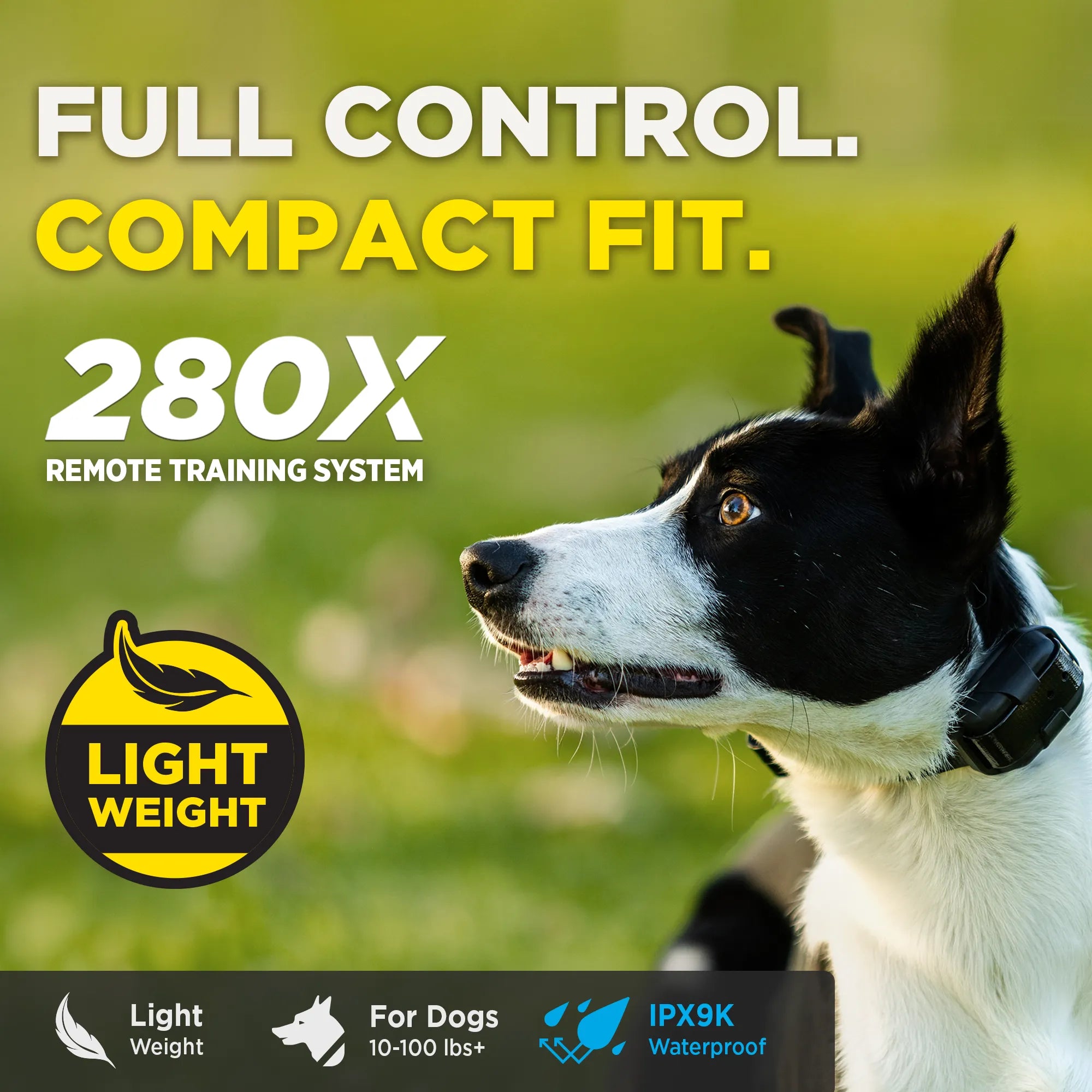
280X: Feature-Rich and Built for Flexibility
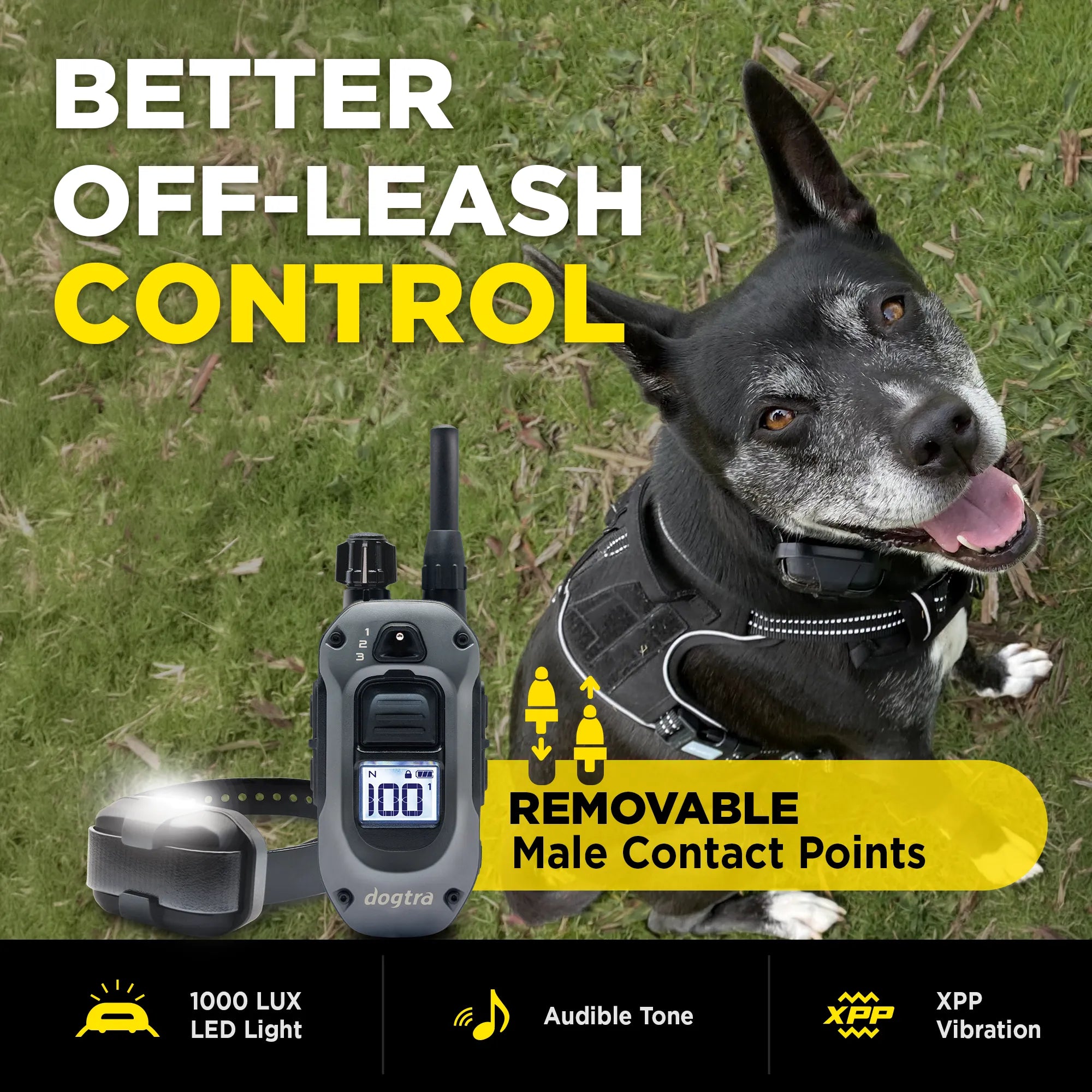
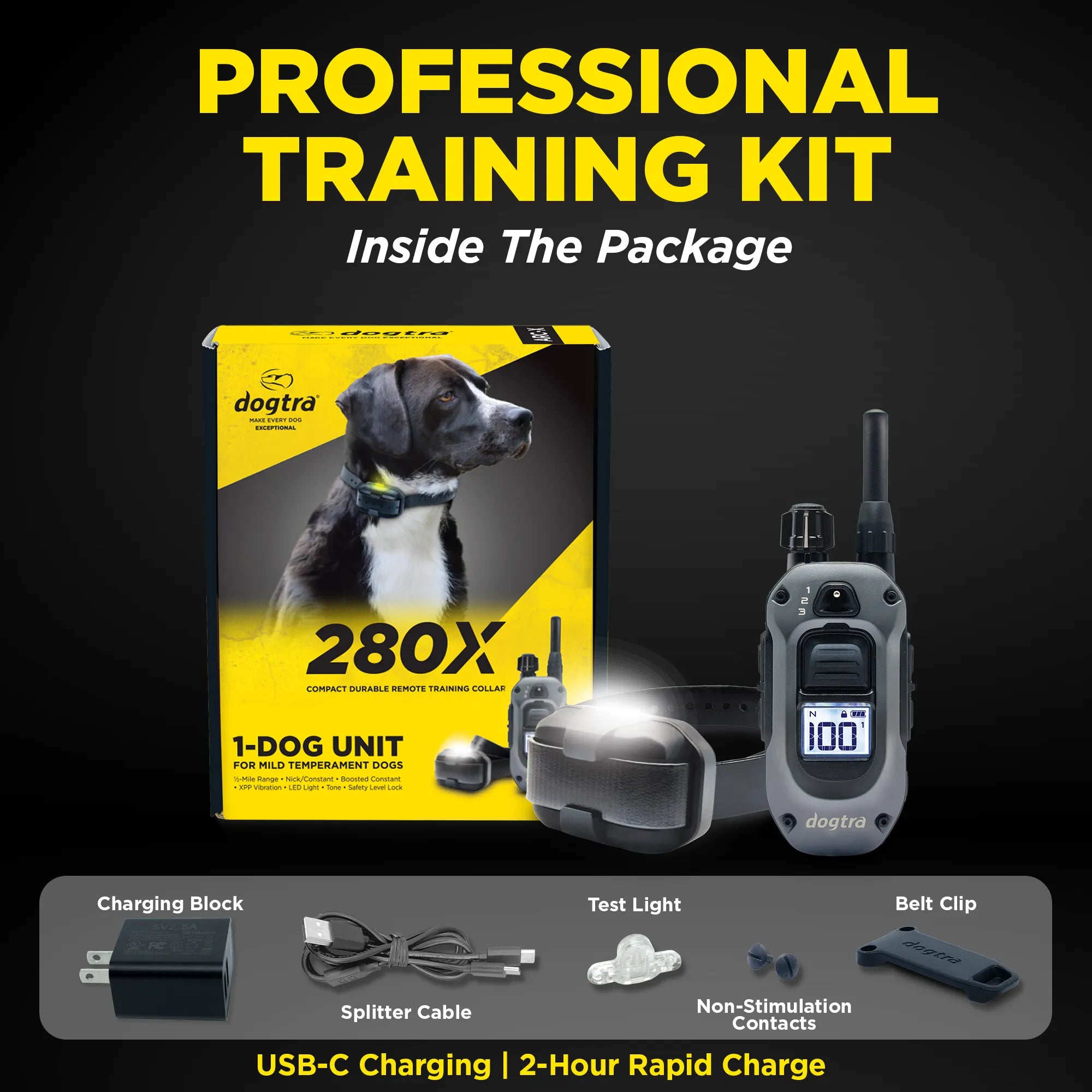
For those who prefer more visibility and control, the 280X takes a different approach. The digital screen provides precise level feedback, which can be reassuring for users who want to know exactly where they are at all times.
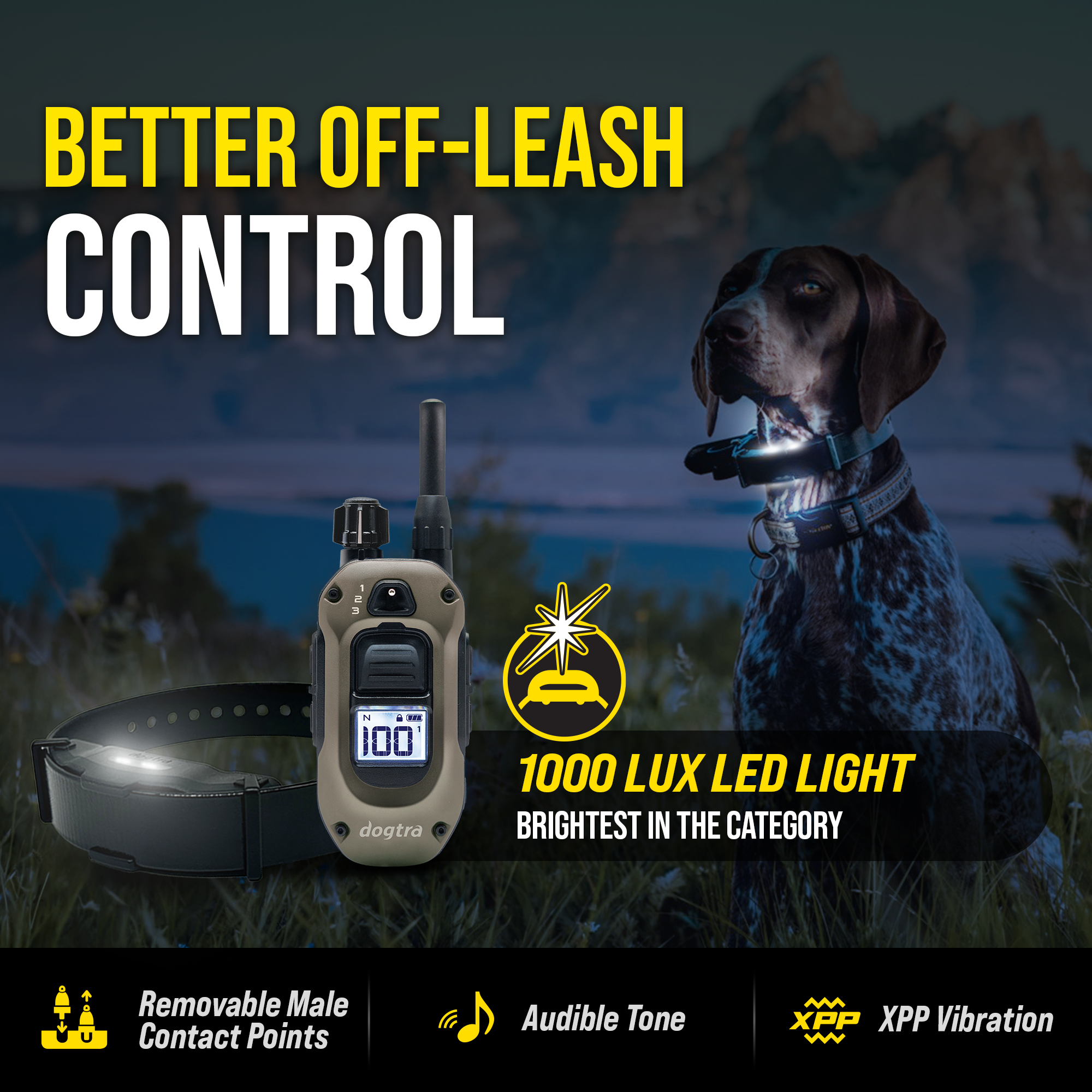
Beyond that, it includes additional features like tone, vibration, LED lights, and a boost function for quick adjustments. It also stands out as the most expandable option in this category, supporting up to three dogs and even integrating with other compatible systems. This makes it a strong choice for multi-dog homes or owners who anticipate scaling up.


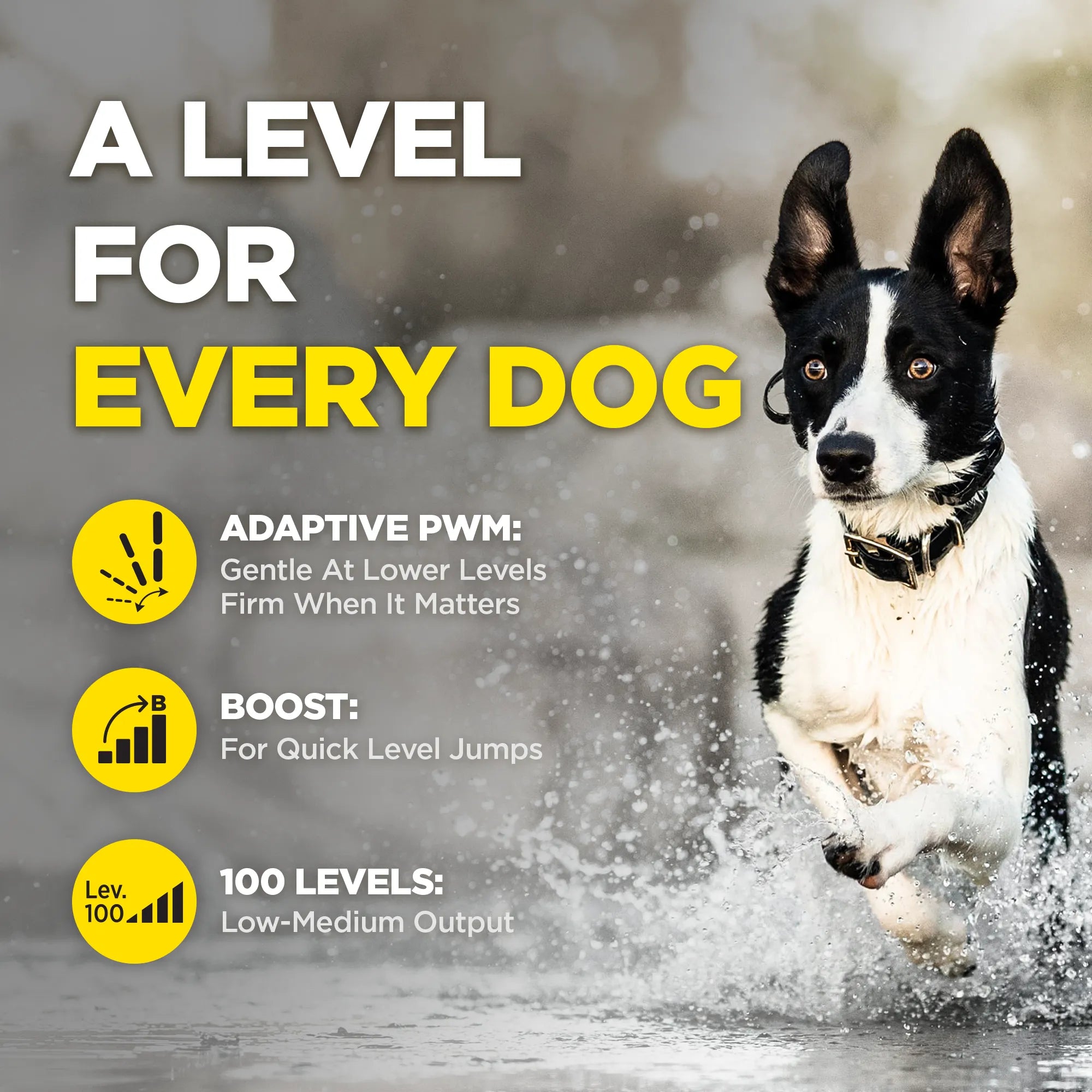




Tom Davis 280C 2.0: Built for Real-Time Training
The Tom Davis 280C 2.0, often associated with professional trainer Tom Davis, reflects a more traditional philosophy. Instead of relying on screens, it uses a thumb dial that allows for adjustments by feel alone.
This might seem like a small difference, but it changes how people train. Without needing to look down at a display, the handler can stay fully focused on the dog’s behavior. That leads to better timing, which is one of the most important aspects of effective e-collar use. For many trainers, that tactile control is more valuable than any digital feature.


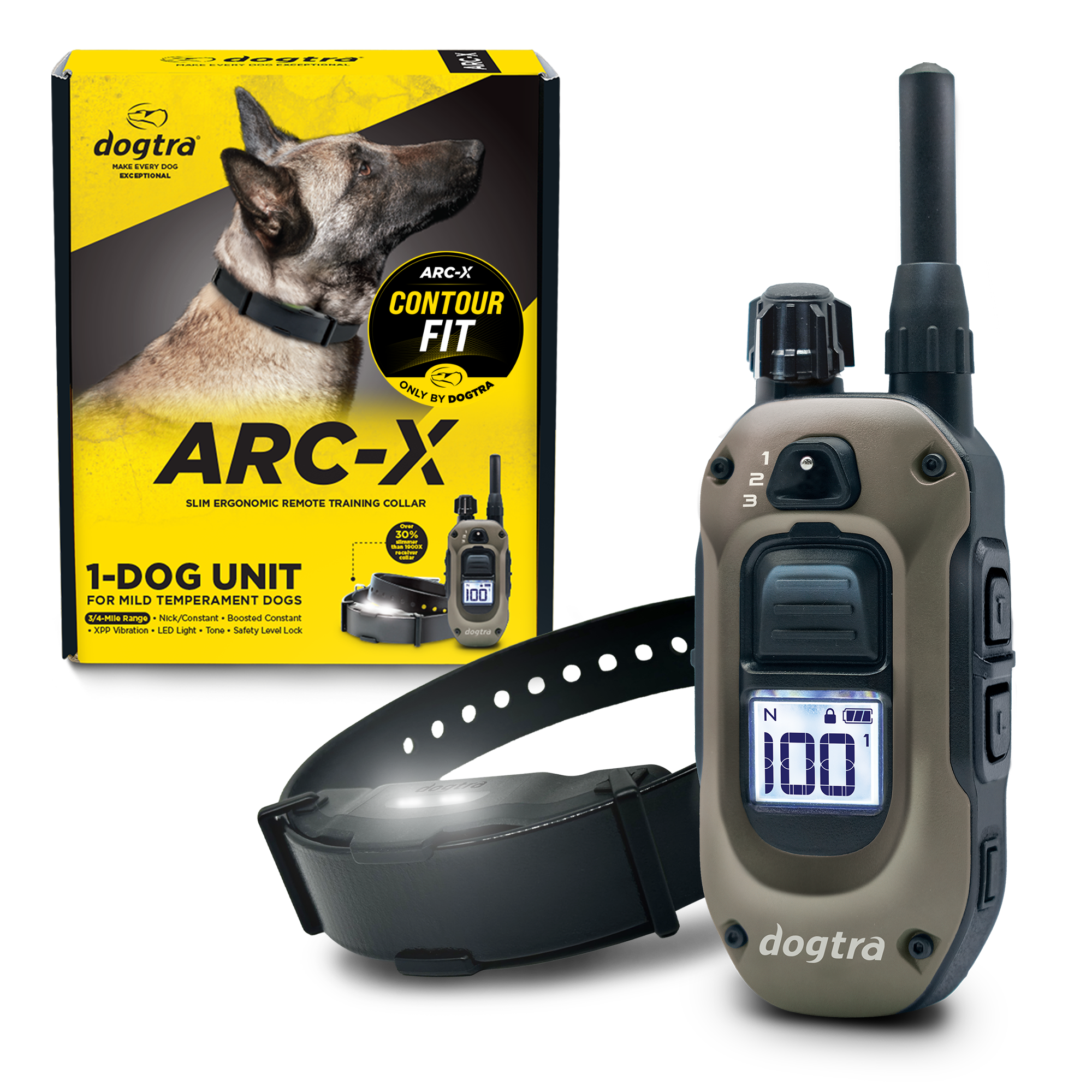
ARC-X: A Step Up in Size And Range
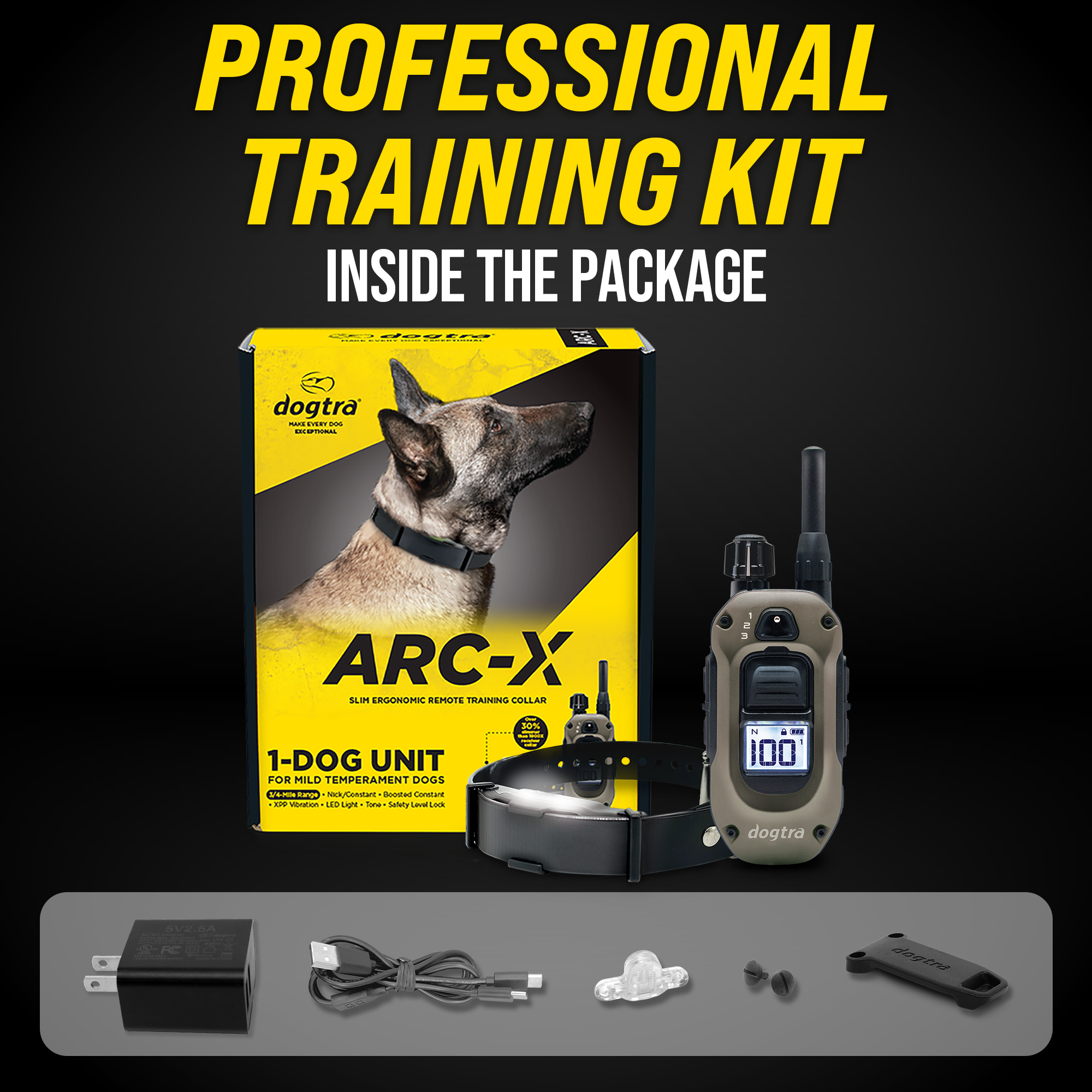
The ARC-X sits slightly outside the smallest category but still works well for dogs starting around 15 lbs. It offers a bit more presence than ultra-compact units, which can be beneficial for dogs on the higher end of the small-dog range.
It’s also commonly used alongside systems like the 280X, making it a practical option for households managing dogs of different sizes.



Choosing the Right Remote Style
The choice between a thumb dial and a digital screen often comes down to how you prefer to interact with the tool.
A thumb dial allows for quick, instinctive changes without breaking eye contact with your dog. This tends to favor more fluid, behavior-based training. A digital screen, on the other hand, offers precision and clarity, which can be helpful for users who want a more structured or measurable approach.
Neither is inherently better—it’s about which one supports your timing and confidence.
Built-In Safety You Should Know About
All Dogtra e-collars include a built-in safety feature that automatically shuts off Constant stimulation after 12 seconds. This acts as a safeguard against accidental overuse and reinforces responsible handling during training sessions.
Conclusion
The right e-collar for a small dog should feel almost unnoticeable to the dog while remaining highly responsive in your hands. When the fit is correct and the stimulation is used thoughtfully, the collar becomes less about correction and more about clear communication.
If simplicity is your priority, the 200iQ is the easiest place to start. If you want more control and room to grow, the 280X offers the most flexibility. And if you value timing and feel above all else, the Tom Davis 280C 2.0 delivers a more hands-on training experience.
Ready to find your perfect match? Watch the full Dogtra expert panel discussion here.


