




Dogtra | April 2, 2026
Best Dogtra E-Collars for Small Dogs (Safe, Lightweight Options)
Training a small dog comes with a different set of rules.
What works for a Labrador can be too intense, too heavy, or simply uncomfortable for a Chihuahua or a Maltese. Size matters. Weight matters. And when it comes to stimulation levels, smaller dogs need more precision, not just a scaled-down version of a large-dog collar.
Dogtra builds specific models for smaller breeds, with lighter receivers, lower stimulation ranges, and features designed around how small dogs actually respond to training. This guide covers what to look for and which models are worth considering.
- Top 4 E-Collars for Small Dogs
- What Makes an E-Collar Safe for Small Dogs
- How to Choose the Right Collar for Your Small Dog
- Are E-Collars Safe for Small Dogs?
- Common Mistakes to Avoid with Small Dogs
- How Dogtra Designs E-Collars Specifically for Small Dogs
- Find the Right Lightweight Dogtra E-Collar for Your Dog
Table of Contents
Top 4 Dogtra E-Collars for Small Dogs
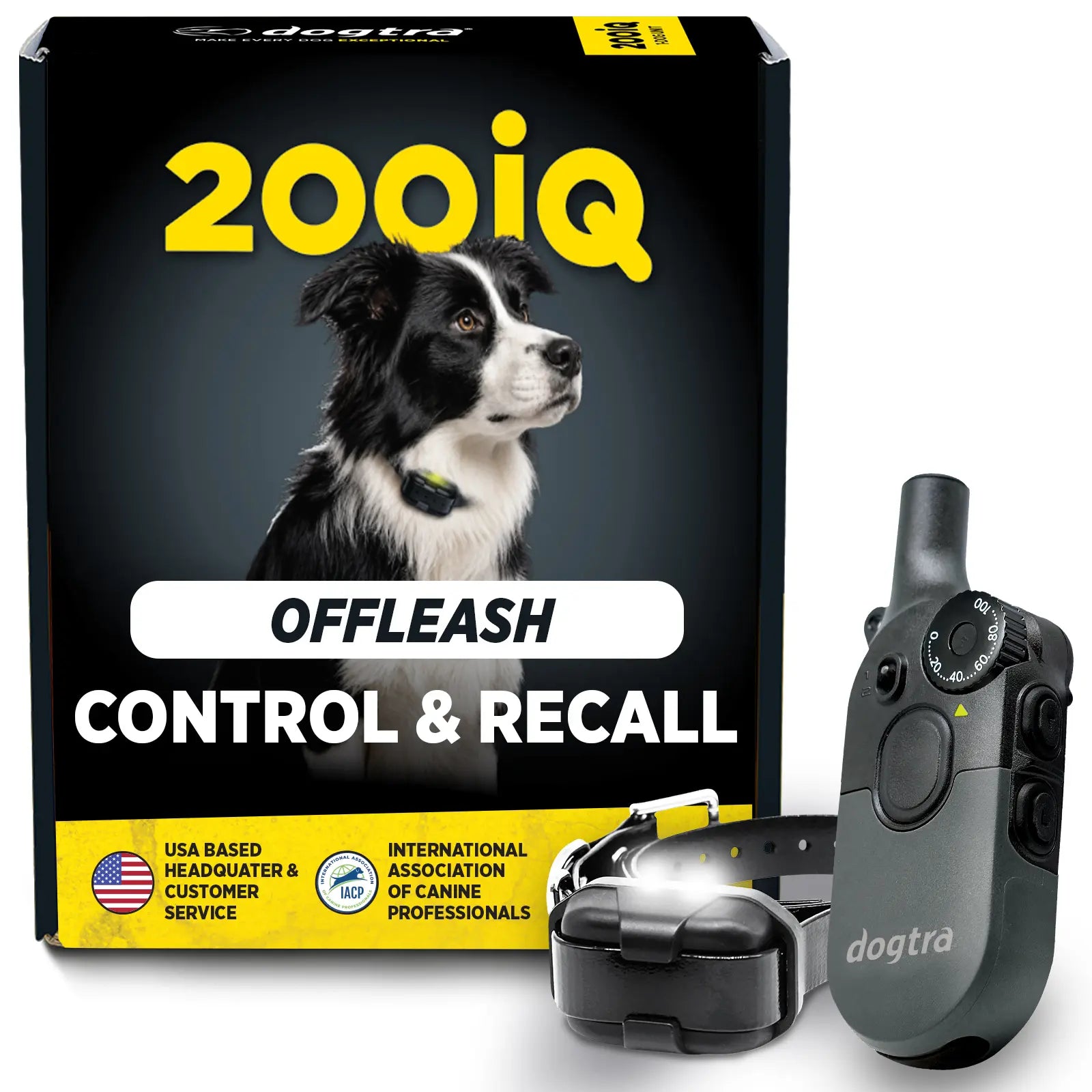


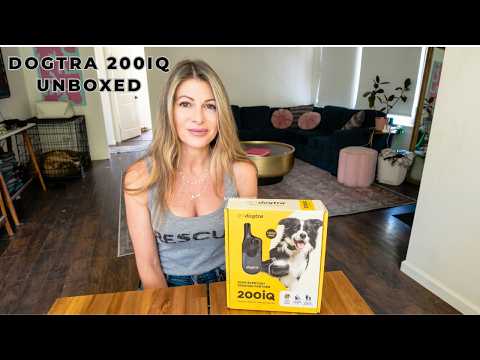
Dogtra 200iQ (Best Budget-Friendly Compact Option)
The 200iQ offers solid performance at a more accessible price point. It covers a half-mile range, delivers mid-level output, and can expand to a 2-dog system when needed.
It's a practical entry-level option for owners who want a reliable compact collar without committing to the higher-end models right away. The feature set is straightforward, which makes it a good fit for everyday obedience training without unnecessary complexity.


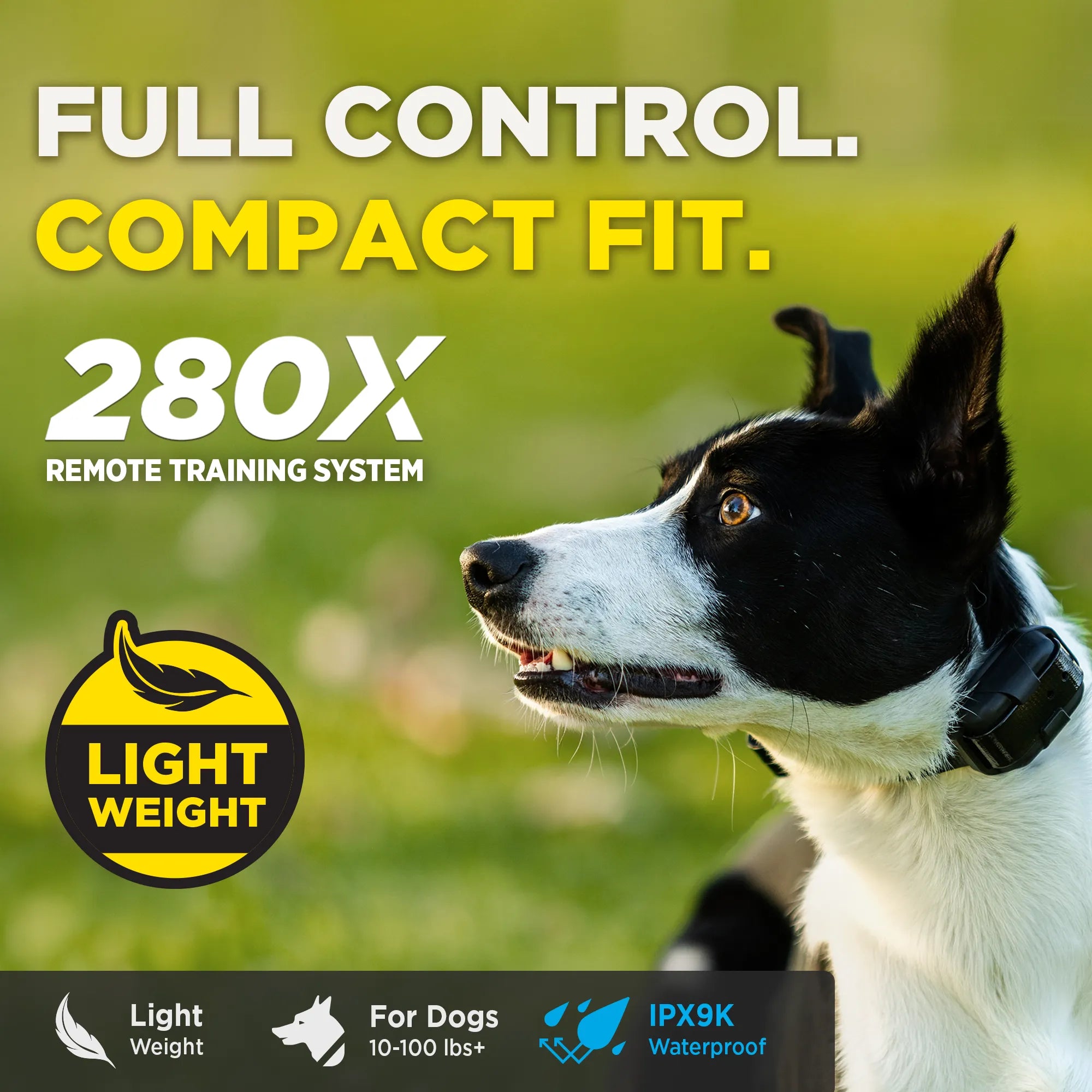
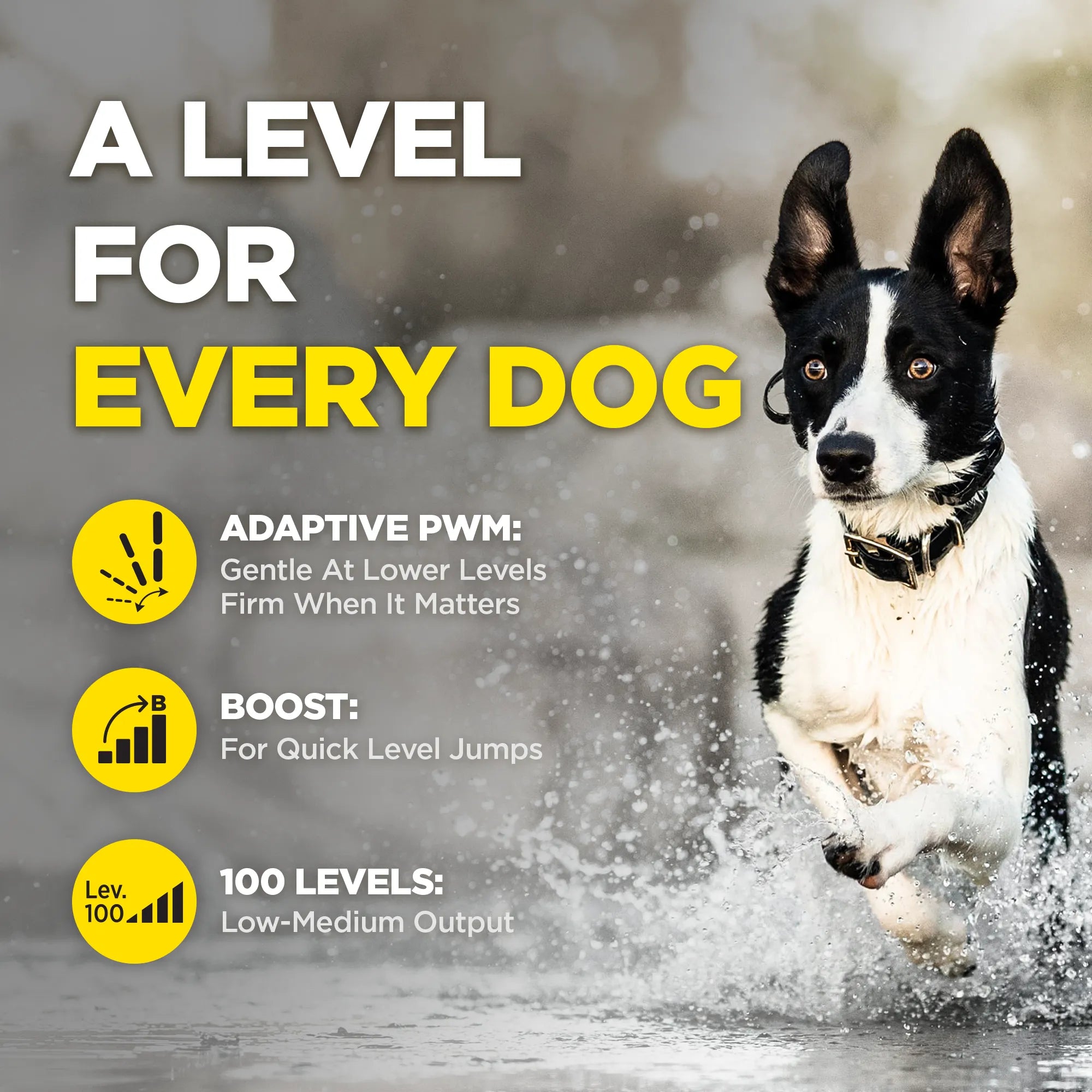
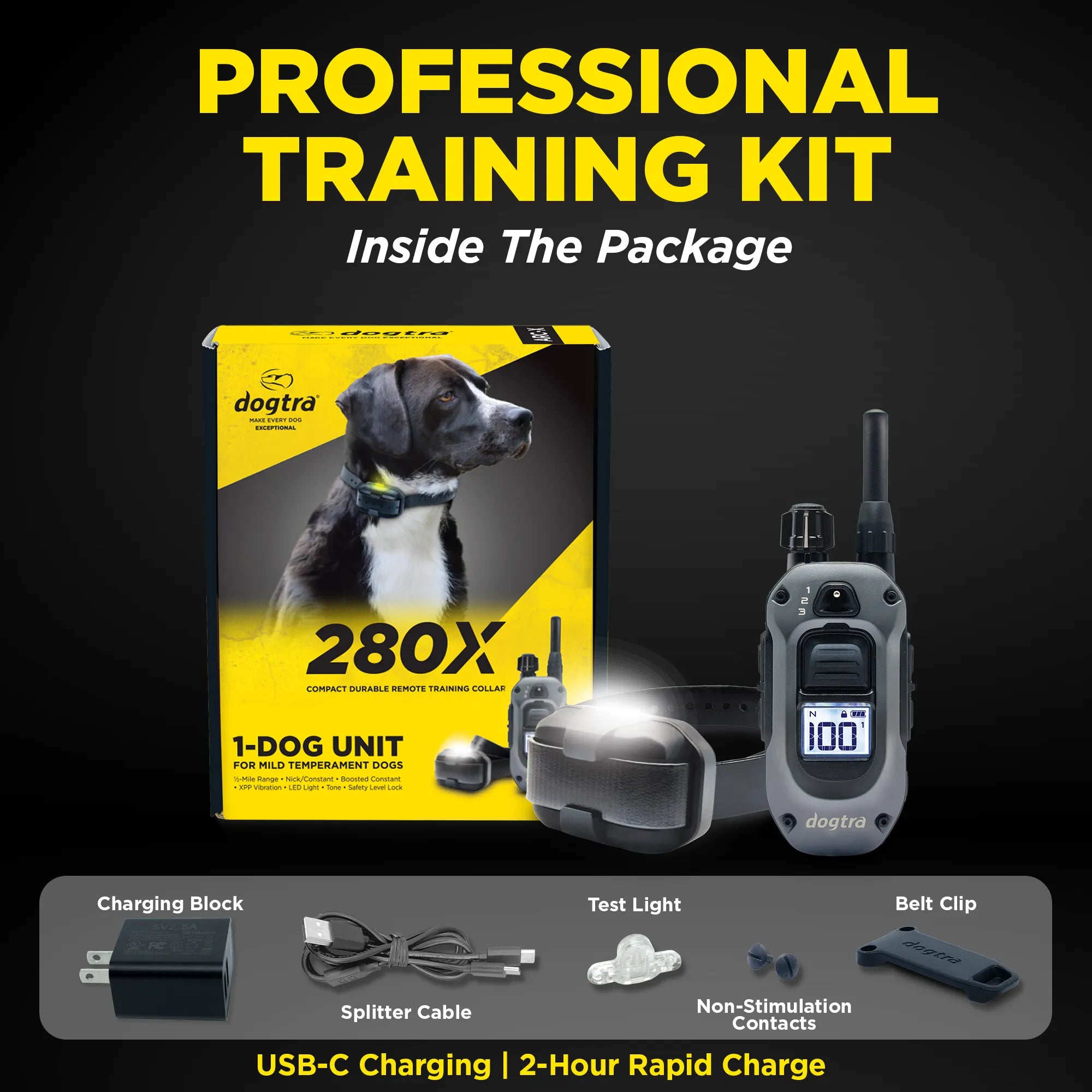



Dogtra 280X (Best for Performance and Range)
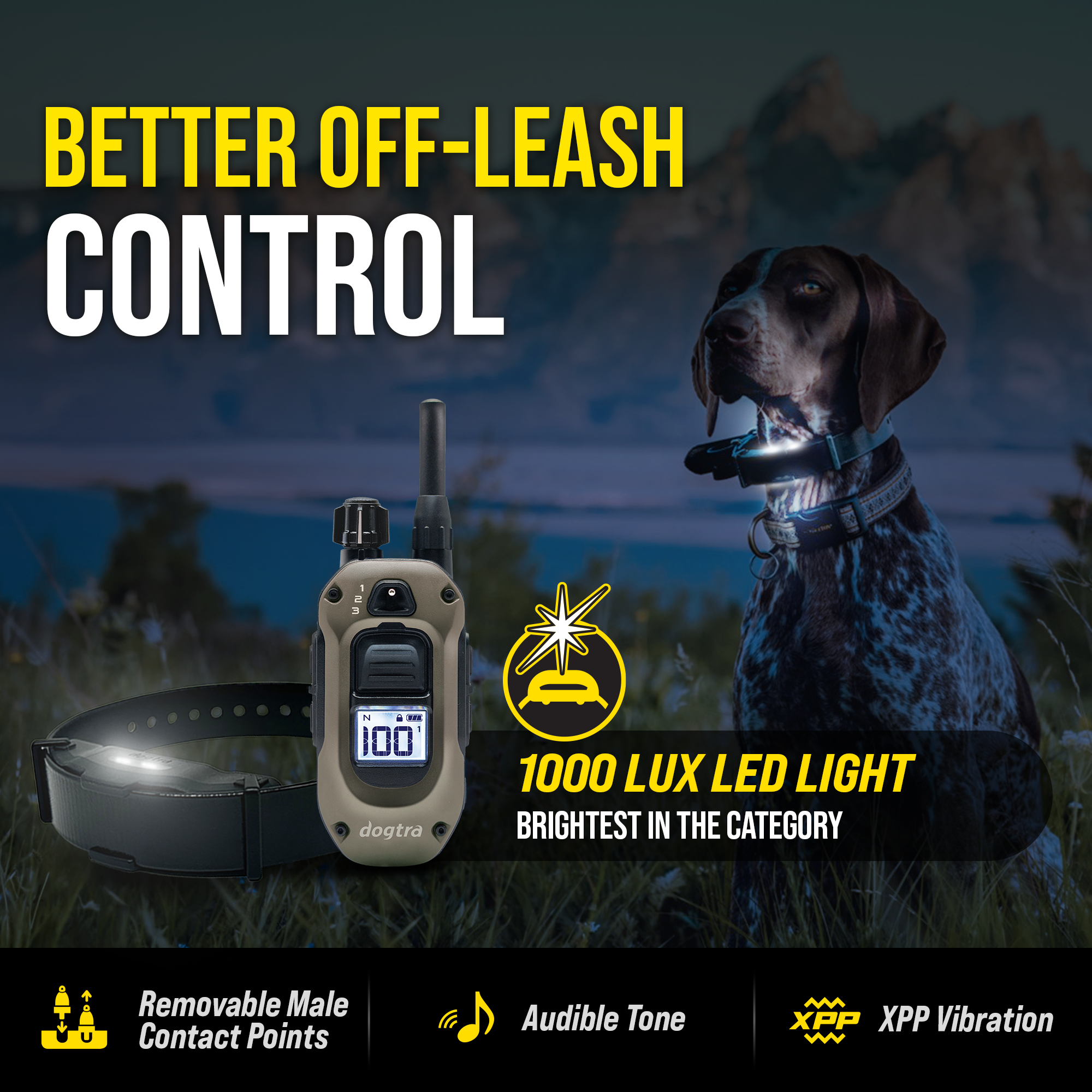
The 280X is built for small dogs that are active, fast, or working in larger spaces where more range and control are needed.
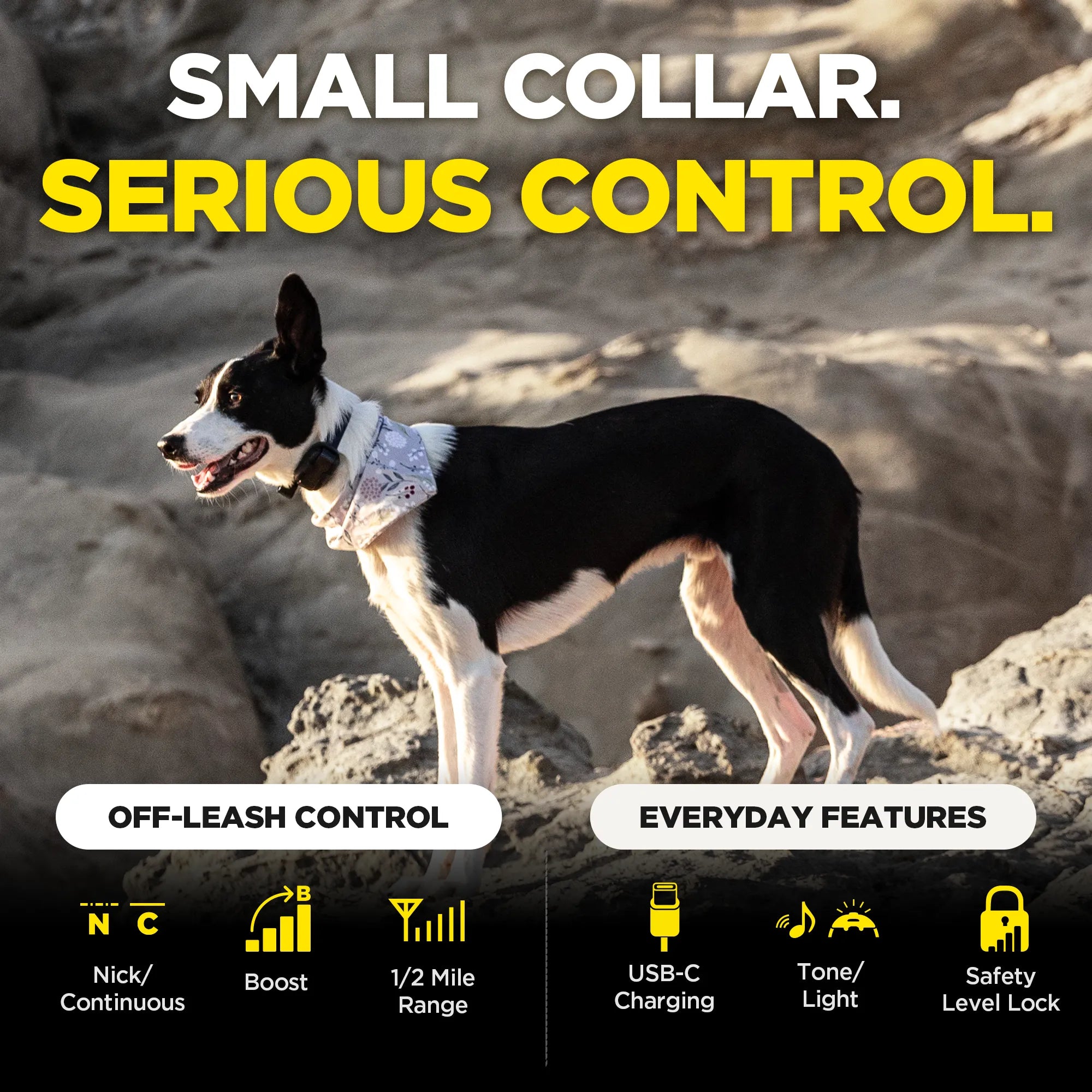
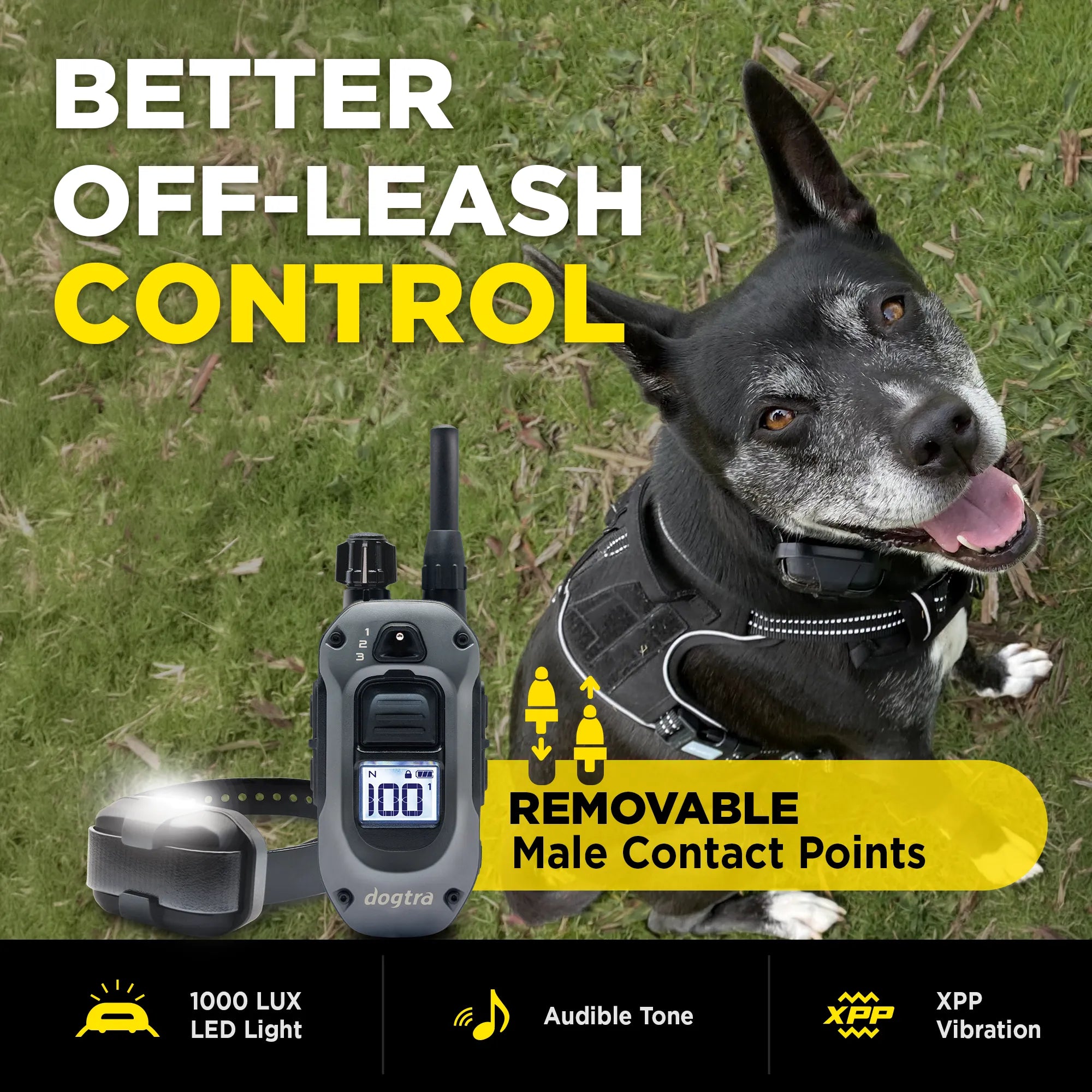
The receiver is compact at around 2.4 oz and delivers a 1/2-mile range with 100 stimulation levels. It charges fully in just 2 hours and includes extra features like the pager vibration, audible tone, and locate light for dogs that need a more responsive system.
This collar works well for:
- Active small dogs with higher energy levels
- Owners training off-leash in open areas
- Anyone who needs finer control across a wider stimulation range
Small in size, but built for serious training situations.


Dogtra Tom Davis 280C 2.0
The Tom Davis 280C 2.0 has been built in collaboration with Tom Davis, designed to make training clearer, more effective, and easier to apply in real-world situations. Inspired by his No Bad Dogs approach, it focuses on giving owners better communication and more control without overcomplicating the process.
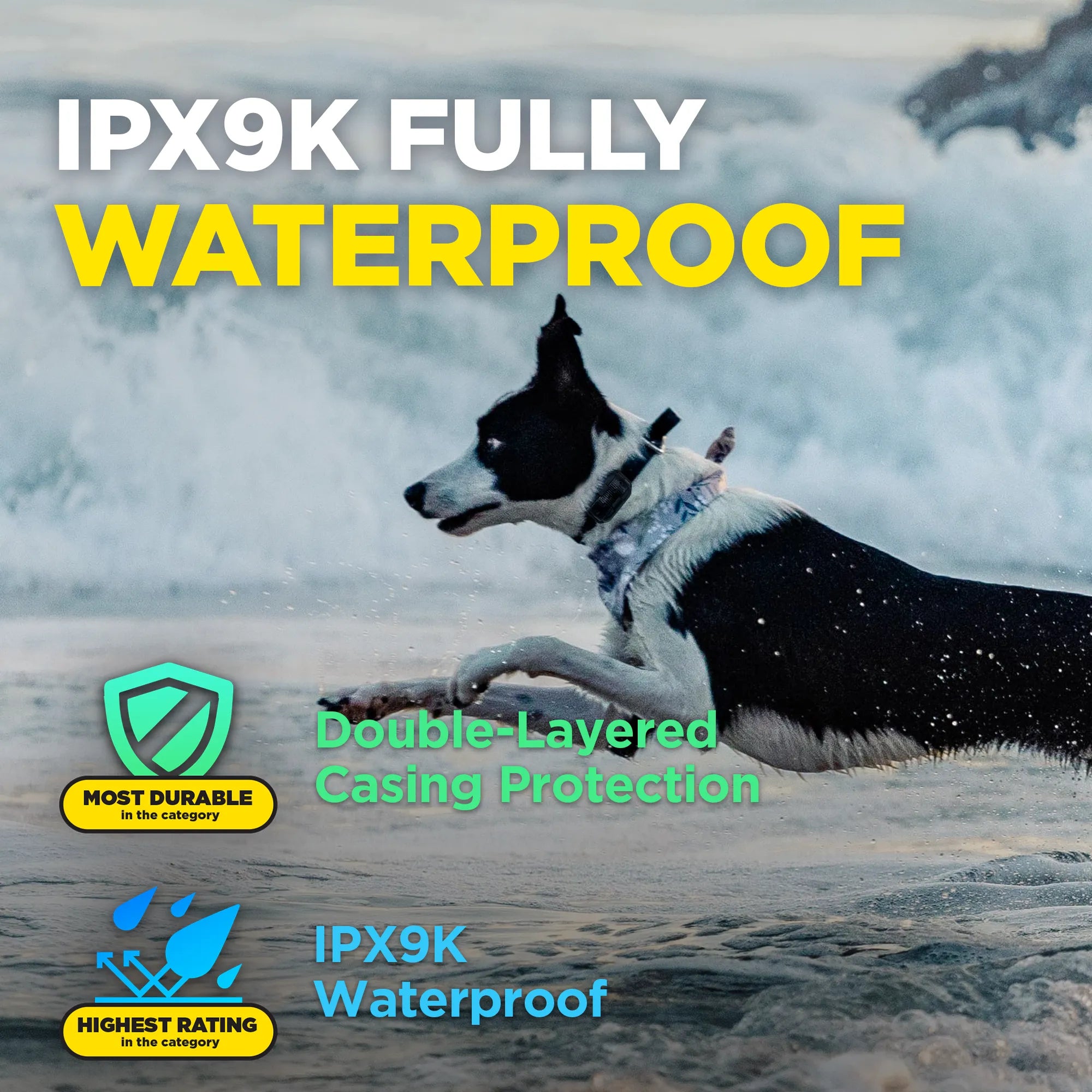
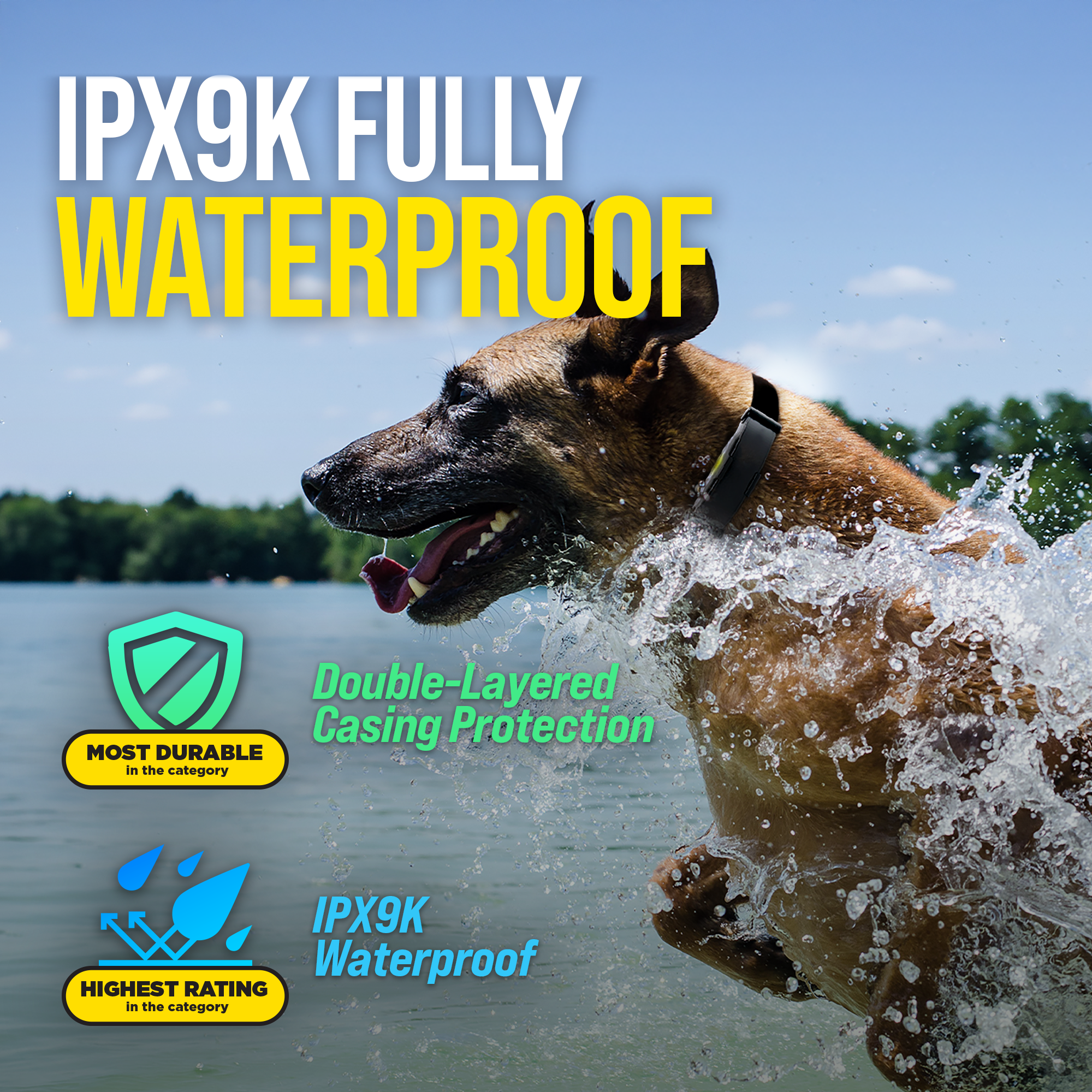
The Safety Level Lock helps keep corrections consistent and controlled, making it a reliable option for everyday training. With a 1/2-mile waterproof range, it’s built for everything from backyard sessions to off-leash adventures.


Dogtra ARC-X
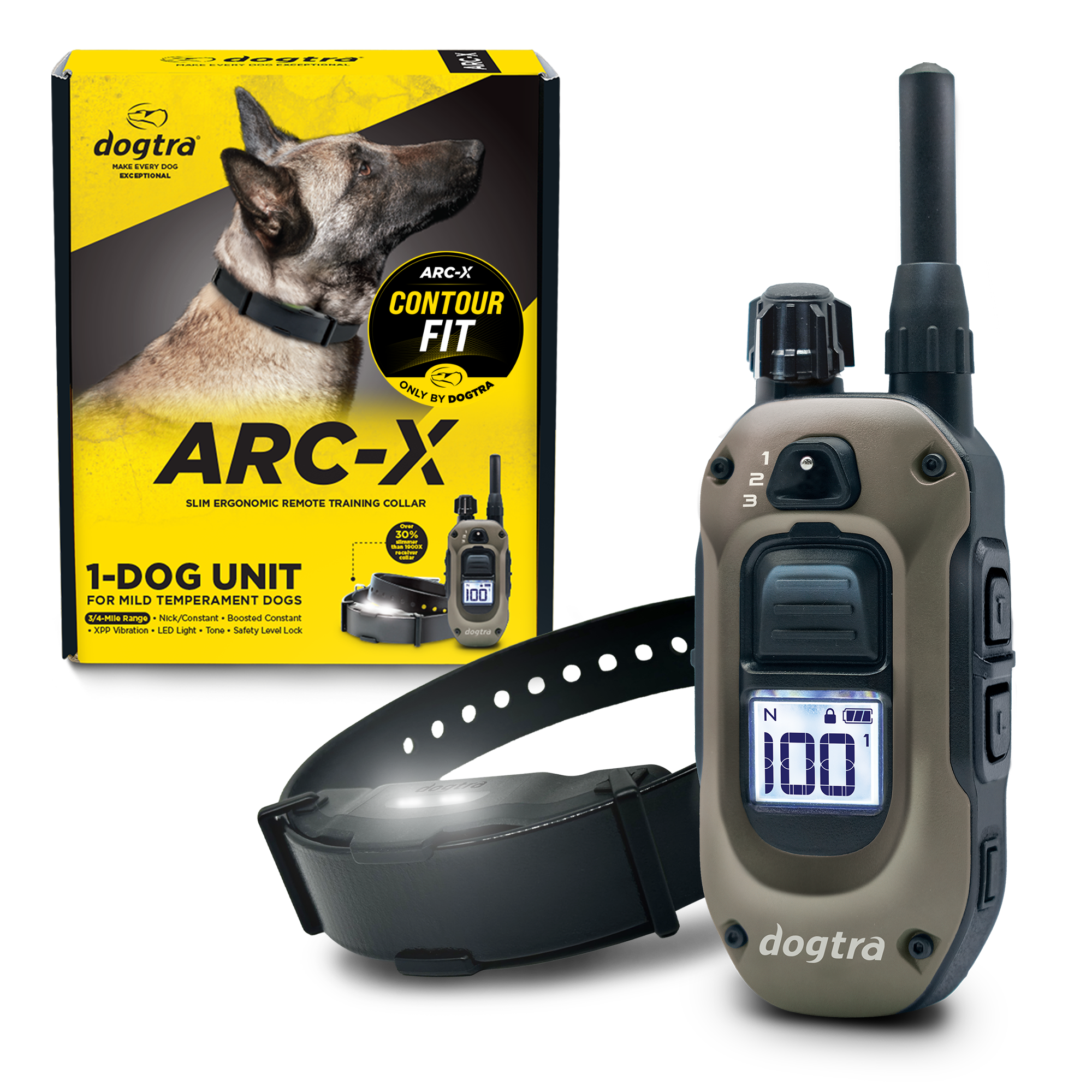
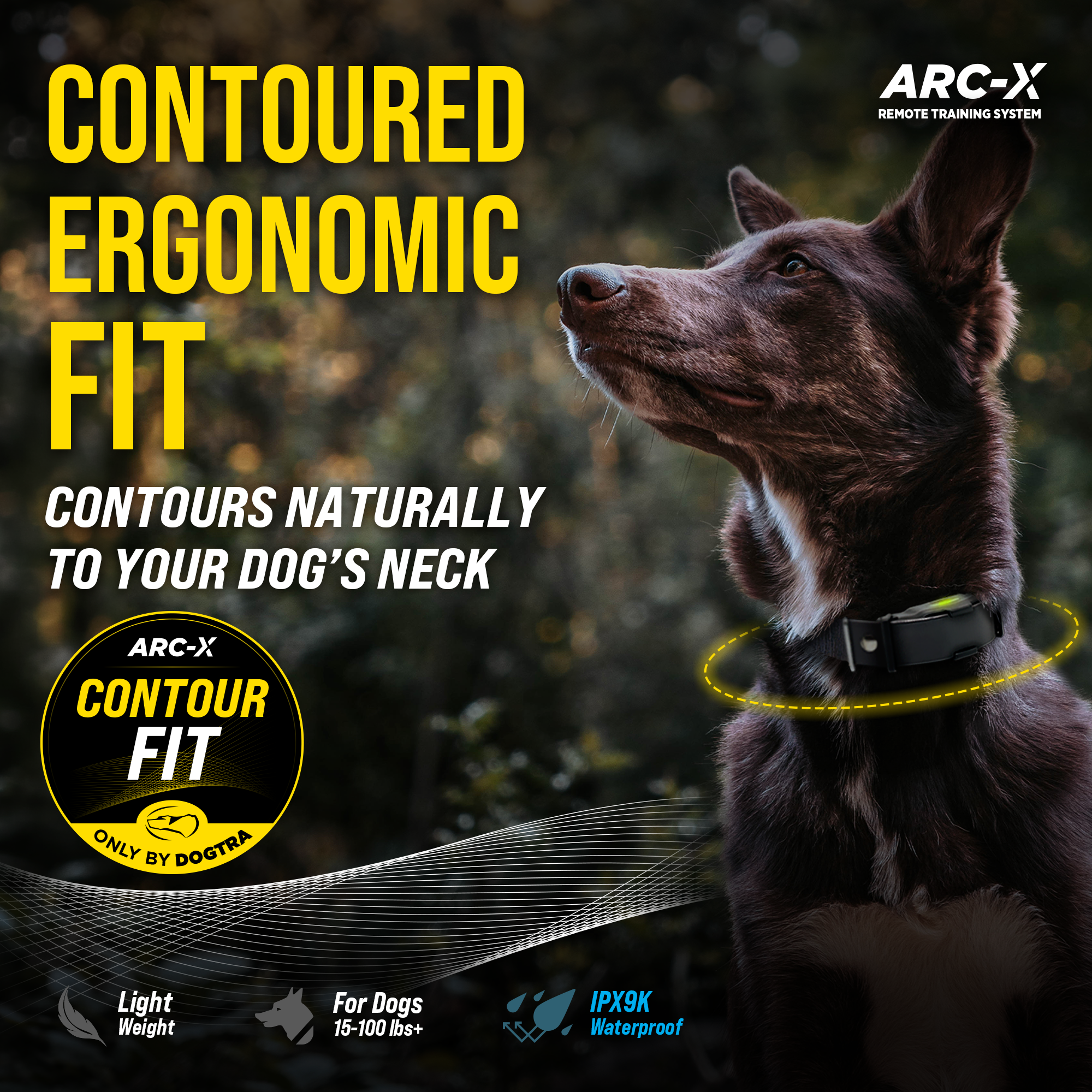
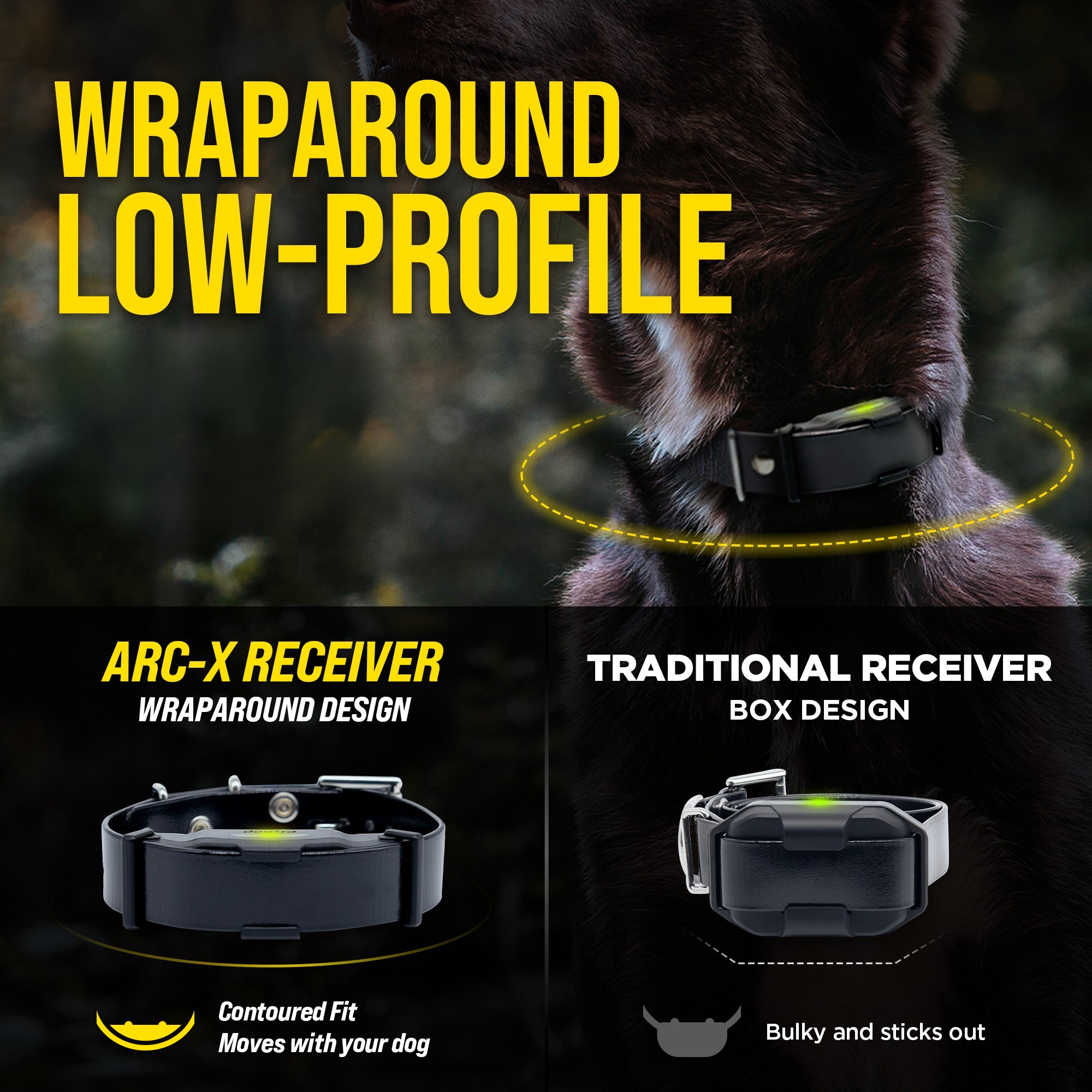
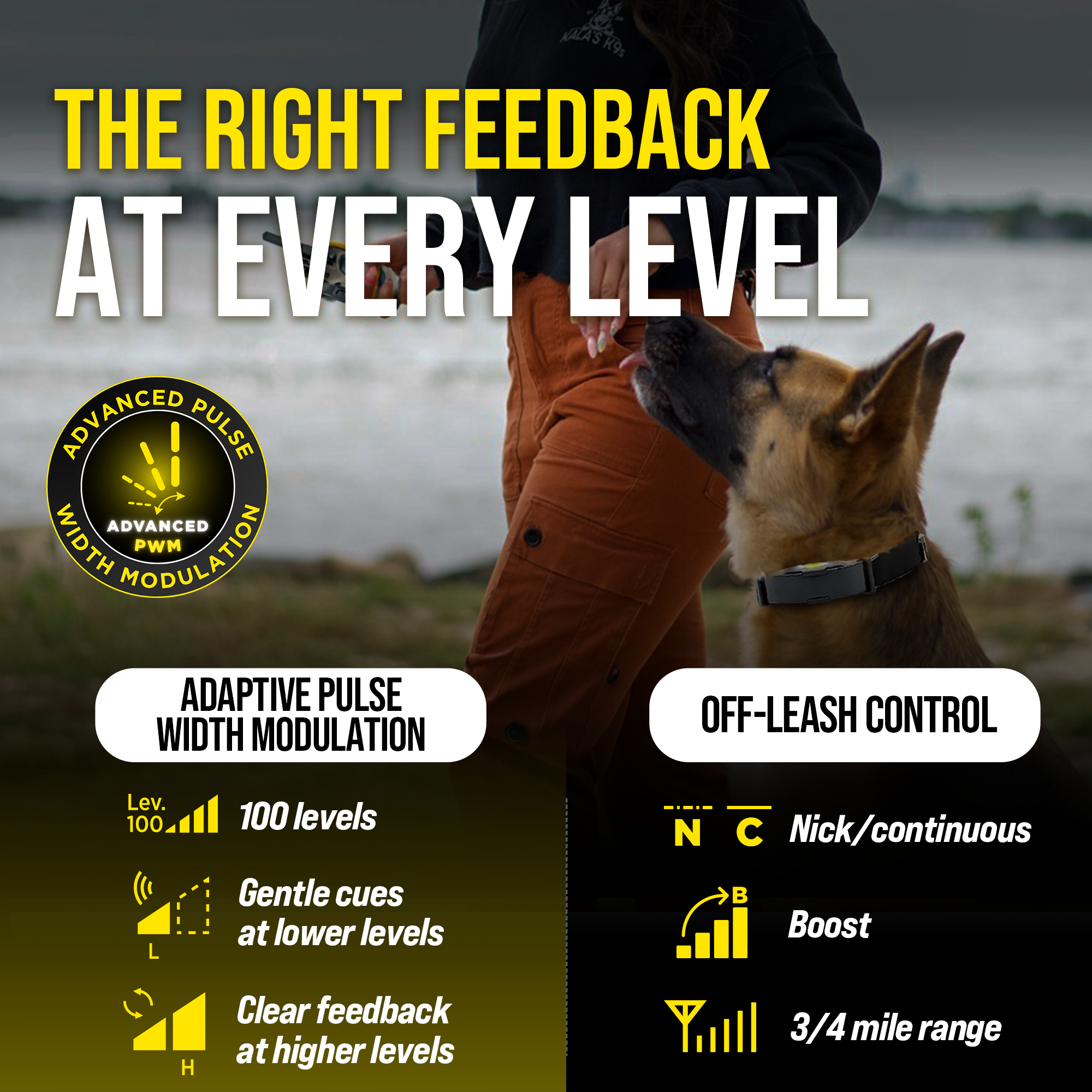
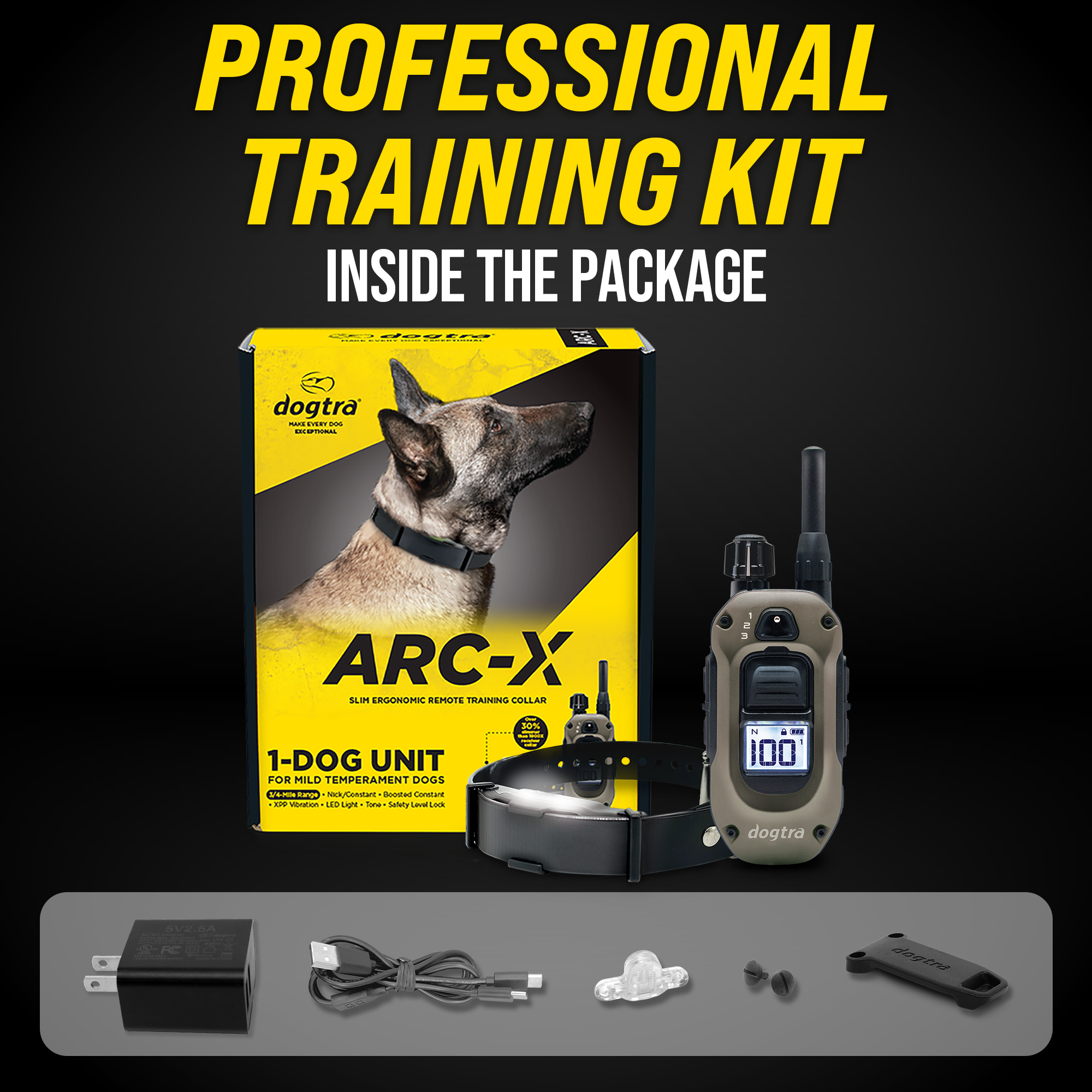
The Dogtra ARC-X is one of Dogtra's most popular training options, but it's designed for slightly larger dogs, with a required minimum weight of 15 lbs and up.
With an extended 3/4-mile range, the ARC-X gives you plenty of room to work on obedience, recall, and off-leash reliability in a variety of environments. The gradual 100 stimulation levels allow for precise communication, which is helpful for dogs that need consistency without excessive intensity.
What Makes an E-Collar Safe for Small Dogs
Not every e-collar on the market is appropriate for a small dog, and knowing what to look for makes the difference between a helpful training tool and an uncomfortable experience. There are a few key factors that matter most.
Lightweight Receiver Design
Small dogs carry collars differently than large breeds. A heavy receiver throws off the balance of the collar, causes it to shift out of position, and can put unnecessary pressure on a small neck over time.
Compact, lightweight receivers sit flush against the dog's neck and stay in place during movement. This keeps contact consistent and prevents the kind of irritation that comes from a collar that doesn't fit the dog's frame properly.
Low to Medium Stimulation Levels
Small dogs tend to be more sensitive than larger breeds. A stimulation level that barely registers on a 70-pound dog can feel significantly stronger on a 10-pound one.
The right collar for a small dog should offer a wide range of low-level stimulation settings so you can start at the very bottom and adjust gradually as needed. Precision matters more than power here.
Gentle Contact Points
The contact points on an e-collar touch directly against your dog's skin. For smaller, more sensitive dogs, plastic contact points reduce the risk of irritation compared to metal alternatives.
This is a detail that's easy to overlook when shopping, but it makes a noticeable difference in long-term comfort, especially for dogs worn frequently during training sessions.
Proper Fit and Balance
A collar that's too loose won't maintain consistent contact. A collar that's too heavy will pull to one side. Either issue reduces effectiveness and increases the chance of discomfort.
Small dogs need collars designed around their proportions, not just smaller versions of hardware built for larger breeds.
How to Choose the Right Collar for Your Small Dog
With several models available, narrowing down the right one comes down to three practical questions: How big is your dog? How does your dog respond to training? And what are you actually trying to accomplish?
Choose Based on Dog Size
Size is the most straightforward filter.
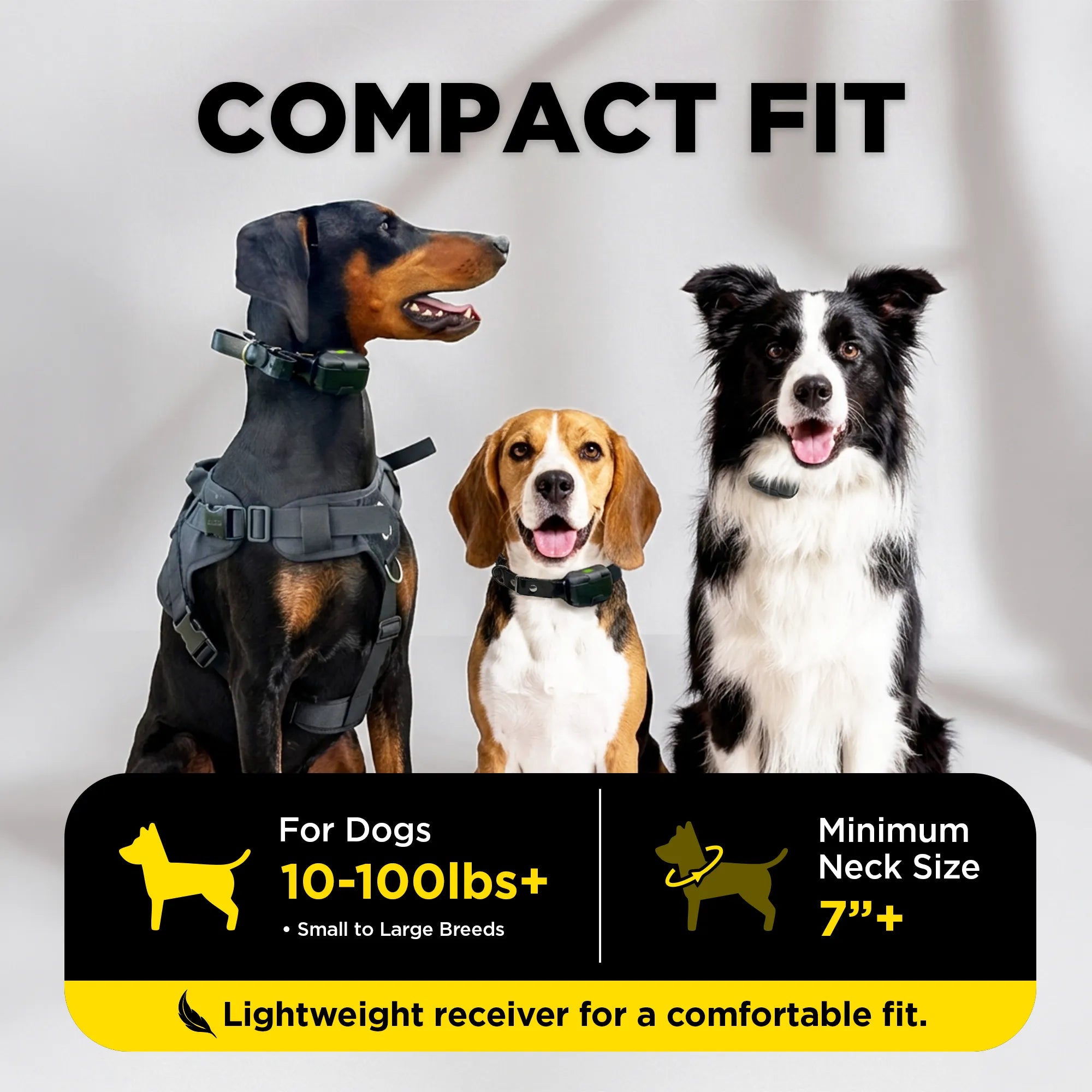
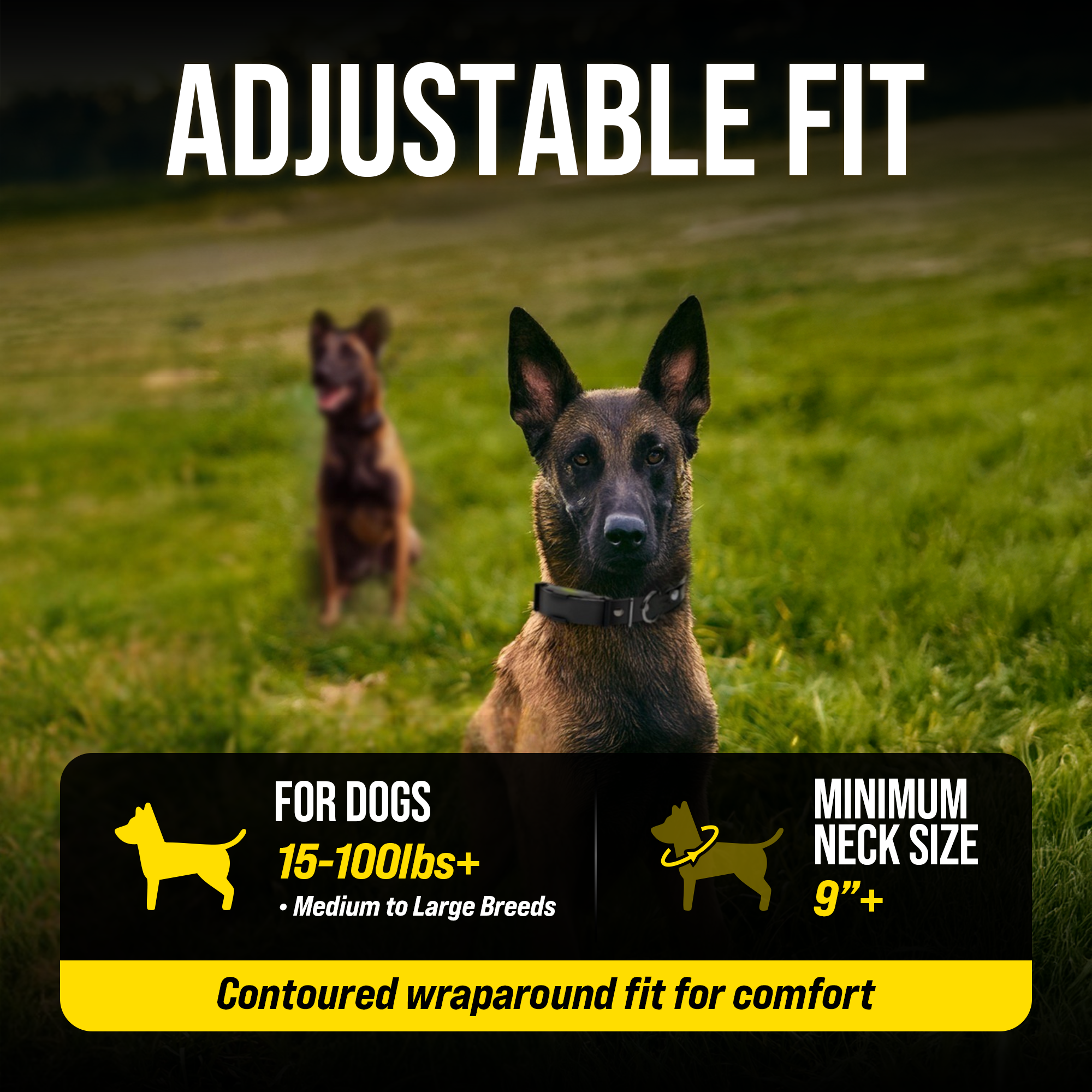
- 10-100 lbs+: the 200iQ, 280X, or Tom Davis 280C 2.0 are all clear choices
- 15-100 lbs+: the ARC-X fits well
Choose Based on Temperament
Sensitive dogs that startle easily or have a lower threshold for stimulation do better with models that start at very low levels and offer fine adjustments. The 200iQ is well-suited for this.
Dogs that are more independent or harder to redirect during training may benefit from the wider stimulation range of the 280X, which gives you more room to find the right level without hitting a ceiling too quickly.
Choose Based on Training Goals
The goal of your training shapes which features actually matter.
- Basic obedience and everyday commands: the 200iQ or Tom Davis 280C 2.0 cover this well
- Off-leash training in open spaces: the 280X or ARC-X gives you the range and control
Are E-Collars Safe for Small Dogs?
Yes, when used correctly and with the right equipment, e-collars are a safe training tool for small dogs.
The key is starting at the lowest stimulation level and adjusting gradually until you find the level your dog notices without showing signs of stress. You should never jump to a high level, and the collar should never be used as a substitute for consistent training.
A few practical guidelines to follow:
- Do not exceed the manufacturer's recommended wear time per session
- Check the fit regularly and make sure contact points are touching the skin without excessive pressure
- Monitor the contact point area for any signs of irritation, especially in the early weeks
- Pair every correction with positive reinforcement to help your dog understand what the right behavior looks like
The collar is a communication tool. Patience and consistency do the actual training.
Common Mistakes to Avoid With Small Dogs
Even with the right collar, a few common missteps can reduce effectiveness or cause unnecessary stress. Being aware of them from the start saves a lot of backtracking.
- Starting at too high a stimulation level before the dog has been properly introduced to the collar
- Choosing a collar that's too heavy for the dog's size, causing it to shift or sit unevenly
- Poor fit that leads to inconsistent contact between the receiver and the dog's skin
- Over-relying on stimulation instead of using it as a marker alongside real training work
The collar is only as effective as the training behind it. Used correctly, it's a precision tool. Used carelessly, it creates confusion rather than clarity.
How Dogtra Designs E-Collars Specifically for Smaller Dogs
Dogtra approaches small dog training collars differently than simply shrinking down a large-dog product.
The focus is on controlled output, compact hardware, and features that give handlers more precision rather than more power. Multiple stimulation levels allow for gradual adjustments. Lightweight receiver designs reduce physical strain on smaller frames. And training-focused features like vibration modes and LED locators give owners more ways to work with their dog beyond stimulation alone.
The goal is precision training, not force.
Find the Right Lightweight Dogtra E-Collar for Your Dog
Small dogs deserve training tools that actually fit them.
Explore Dogtra's small dog e-collar collection to compare models side by side, or take the E-Collar Finder Quiz to get a recommendation based on your dog's size and training needs.